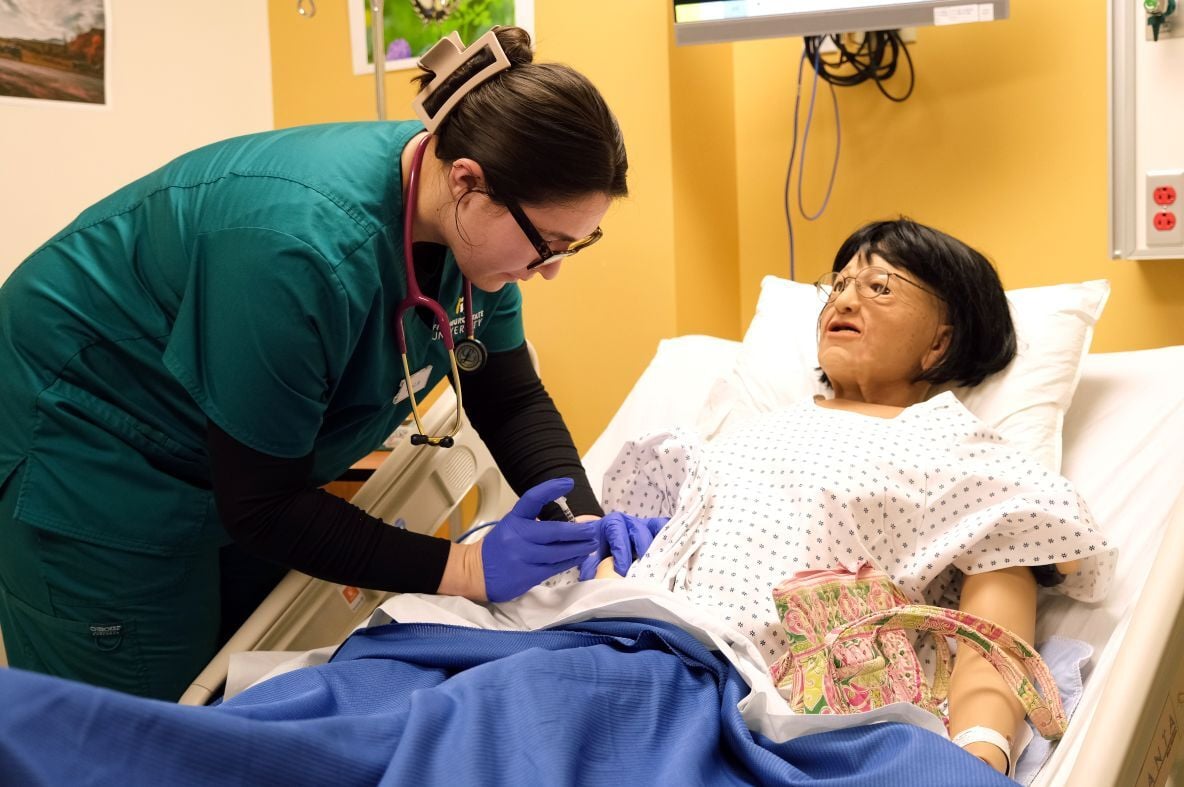
Nursing students learn how to test blood sugar in their Nursing Foundations Lab. In this course, emphasis is placed on professionalism, caring, communication, cultural considerations, spirituality, sexuality and health promoting activities.
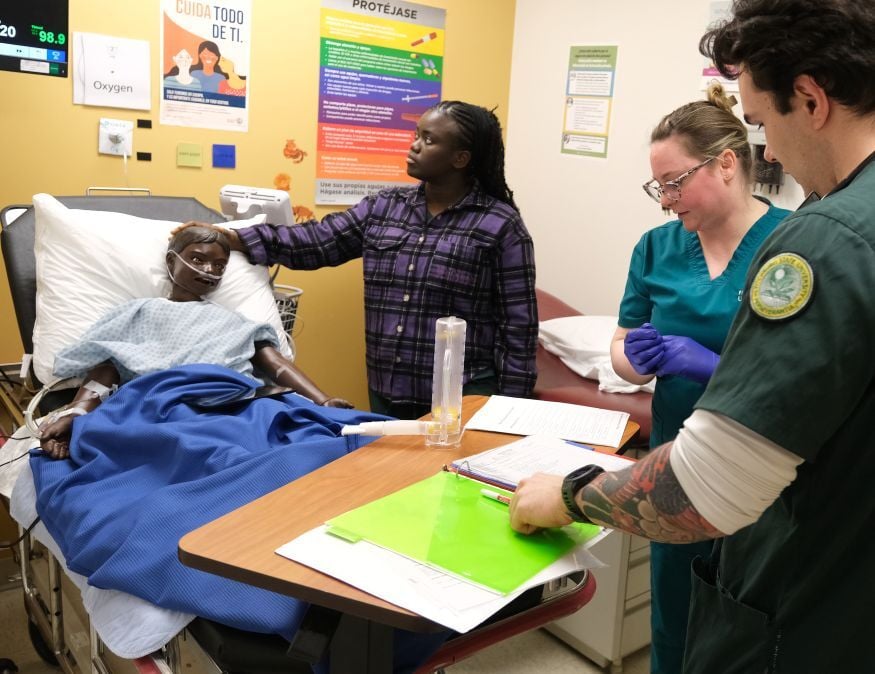
Nursing students learn in-room patient care (cleanliness, moving, bed changing, etc) in their Nursing Foundations Lab. In this course, emphasis is placed on professionalism, caring, communication, cultural considerations, spirituality, sexuality and health promoting activities.
On the last day of class for this semester, Nursing Simulation Lab Director Ian Murray reprised the role of James Irons, a recovering alcoholic who may have relapsed and ended up in the hospital. James is remorseful and worried what his family will think. A nursing student plays his daughter in this scenario.
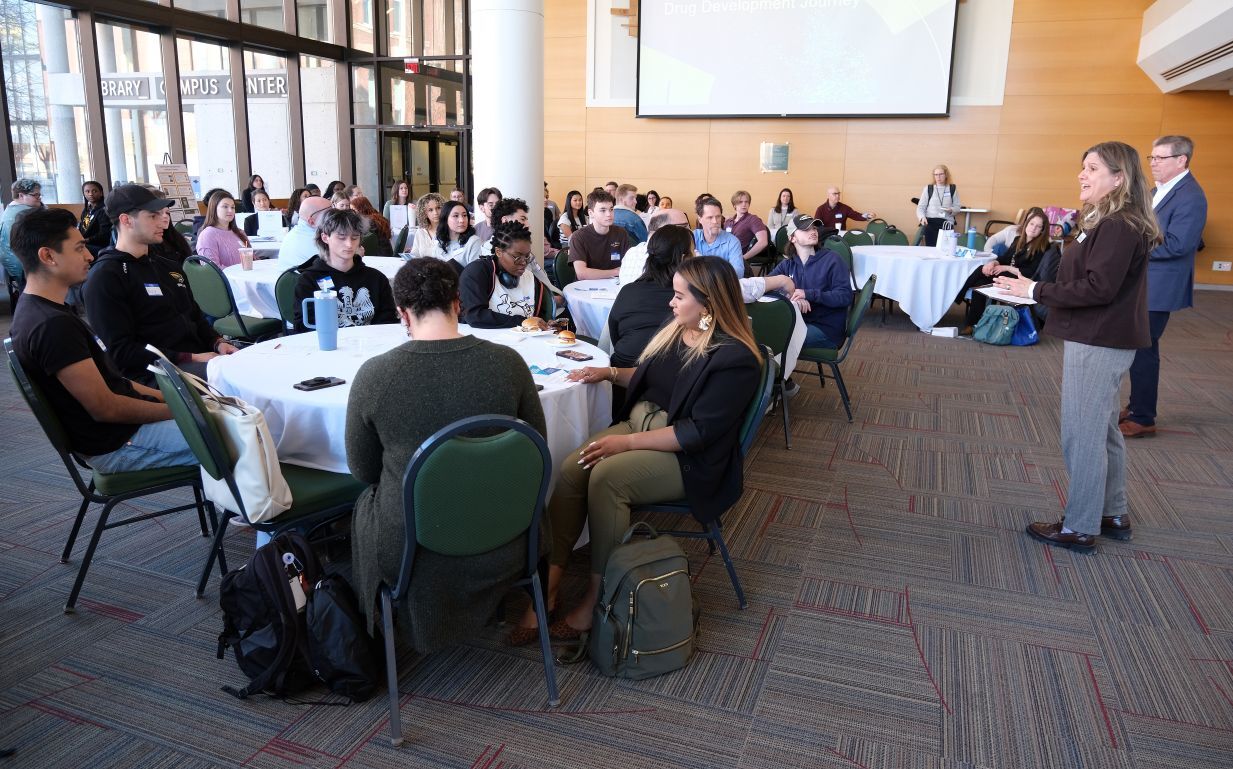
Earlier this month, Director of Early College Dual Enrollment, Fernando Garcia-Rodriguez an Assistant Director of Admissions Eliezer Rivera hosted students enrolled in the Fitchburg High School Honors Academy who visited campus to learn about our Biology and Chemistry and Environmental and Earth Science programs. Professors Christopher Picone, Lisa Grimm, Daniel Welsh, and Eric Williams talked about our STEM programs and led the students on a tour of state-of-the-art facilities. In addition, students learned about research methods in the Amelia V. Gallucci-Cirio Library, and learned about the university from our Admissions & Aid staff.
Topics: Admissions, Health and Natural Sciences, Environmental Science, Library
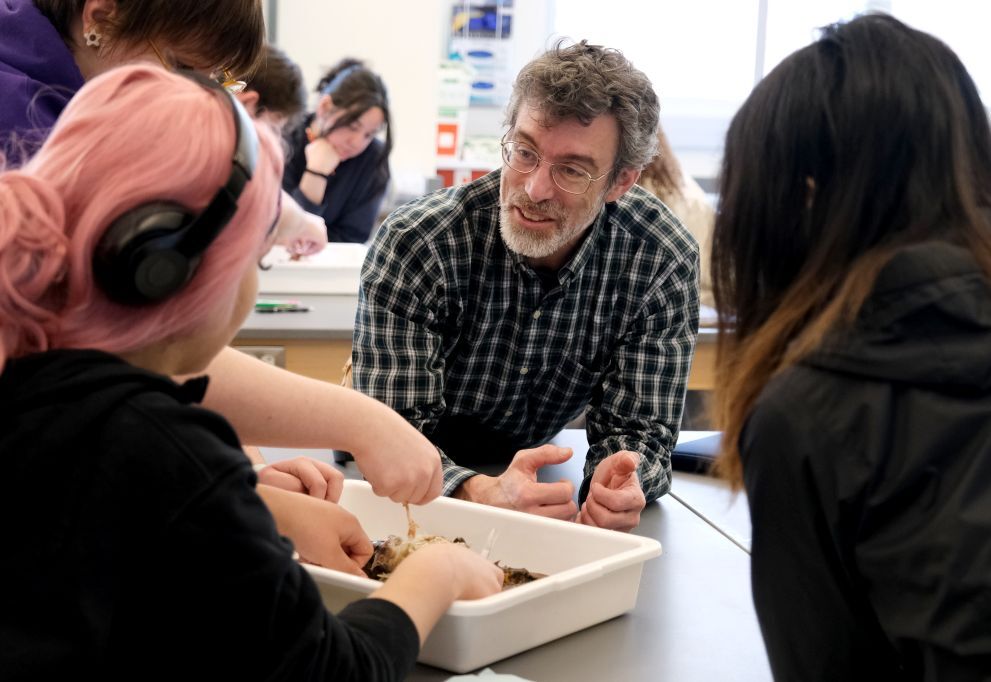
Students in Biology and Chemistry Professor Elizabeth DiLoreto's Human Anatomy & Physiology I Lab us human brain models to map major structures during a dissection in the Antonucci Science Complex. The course explores the structure and function of the human organism on the cellular, tissue, organ, and system levels. Cellular metabolism, histology, and the following systems: skeletal, muscular, and nervous (including the special senses) are examined. The laboratory emphasizes both physiology and the dissection of preserved mammalian specimens.
Topics: Health and Natural Sciences
Students in Biology and Chemistry Professor Ronald Krieser's genetics lab conduct a gel electrophoresis experiment in the Antonucci Science Complex. Gel electrophoresis, a laboratory technique used to separate DNA, RNA, or protein fragments based on their size and electrical charge. It involves applying an electric field to a gel matrix, causing the negatively charged nucleic acids to migrate. Smaller fragments move faster through the gel, leading to their separation and analysis, often visualized using a fluorescent dye.
Topics: Health and Natural Sciences
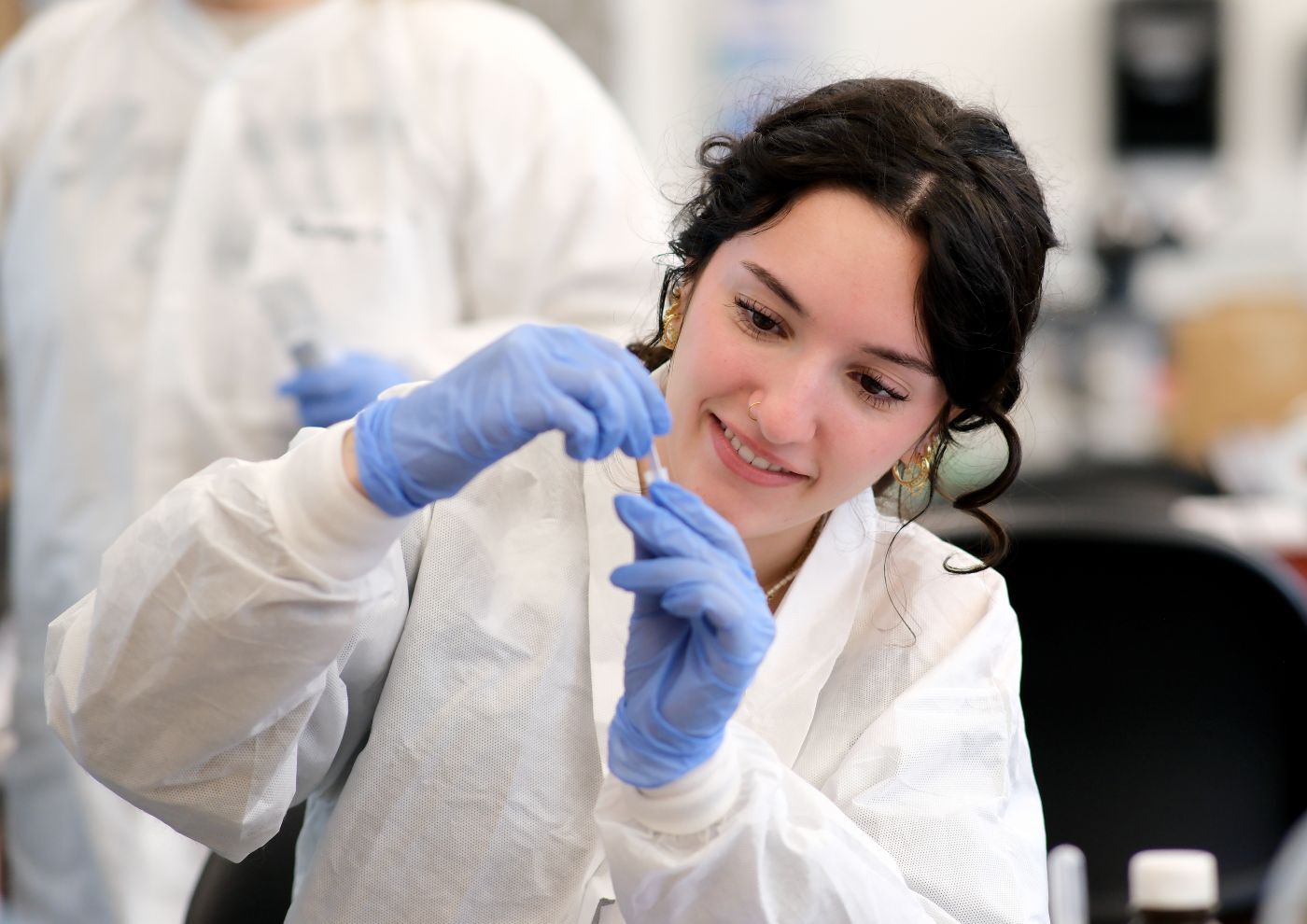
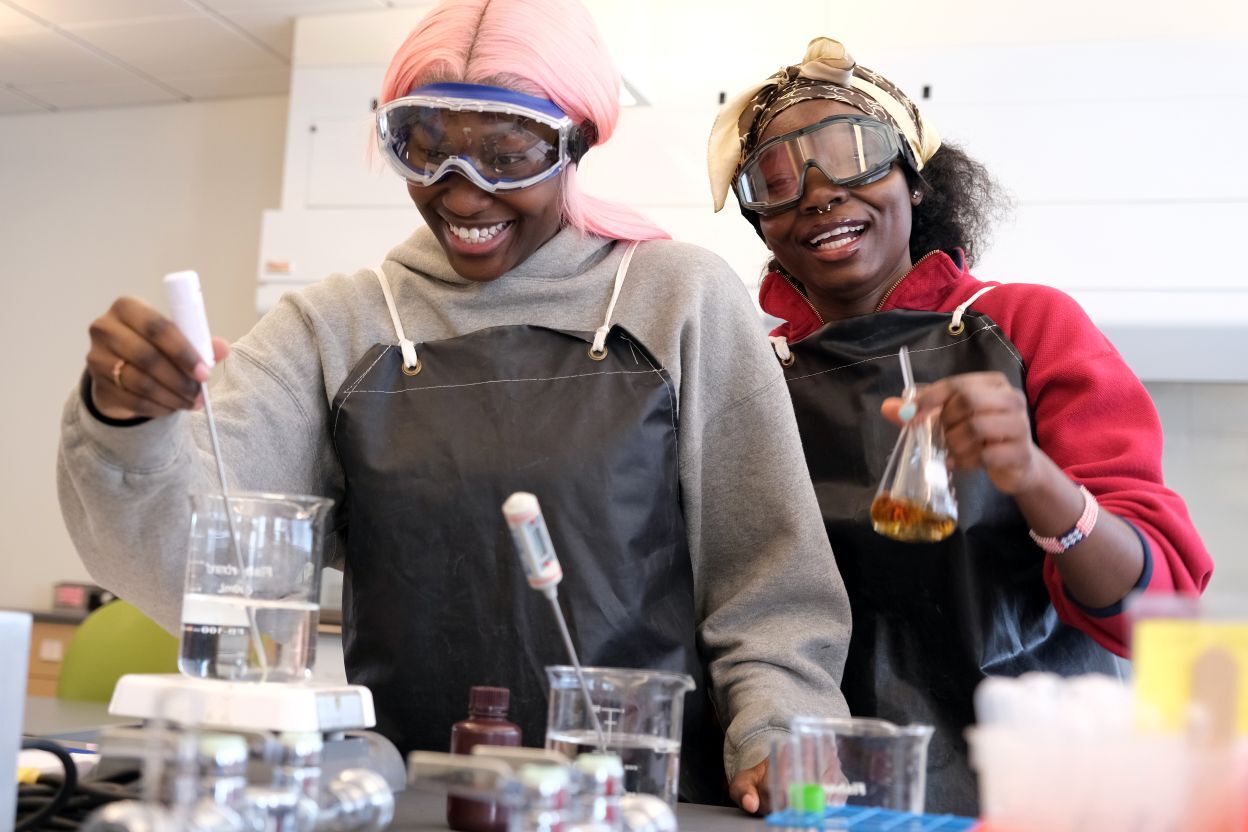
Students in Biology and Chemistry Professor Billy Samulak's Chemistry for Health Sciences Lab work on an assignment in the Antonucci Science Complex. This course is designed specifically for nursing and exercise sports majors and includes the study of selected topics from general chemistry, organic chemistry and biochemistry.
Topics: Health and Natural Sciences
The team of faculty and student mentors involved in the S-STEM Project recently met in Thompson Hall. The project is committed to improving STEM majors in Biology, Chemistry, Computer Science, Computer Information System, Engineering Technology, and Mathematics student experience.
Topics: Health and Natural Sciences, Engineering Technology, Environmental Science
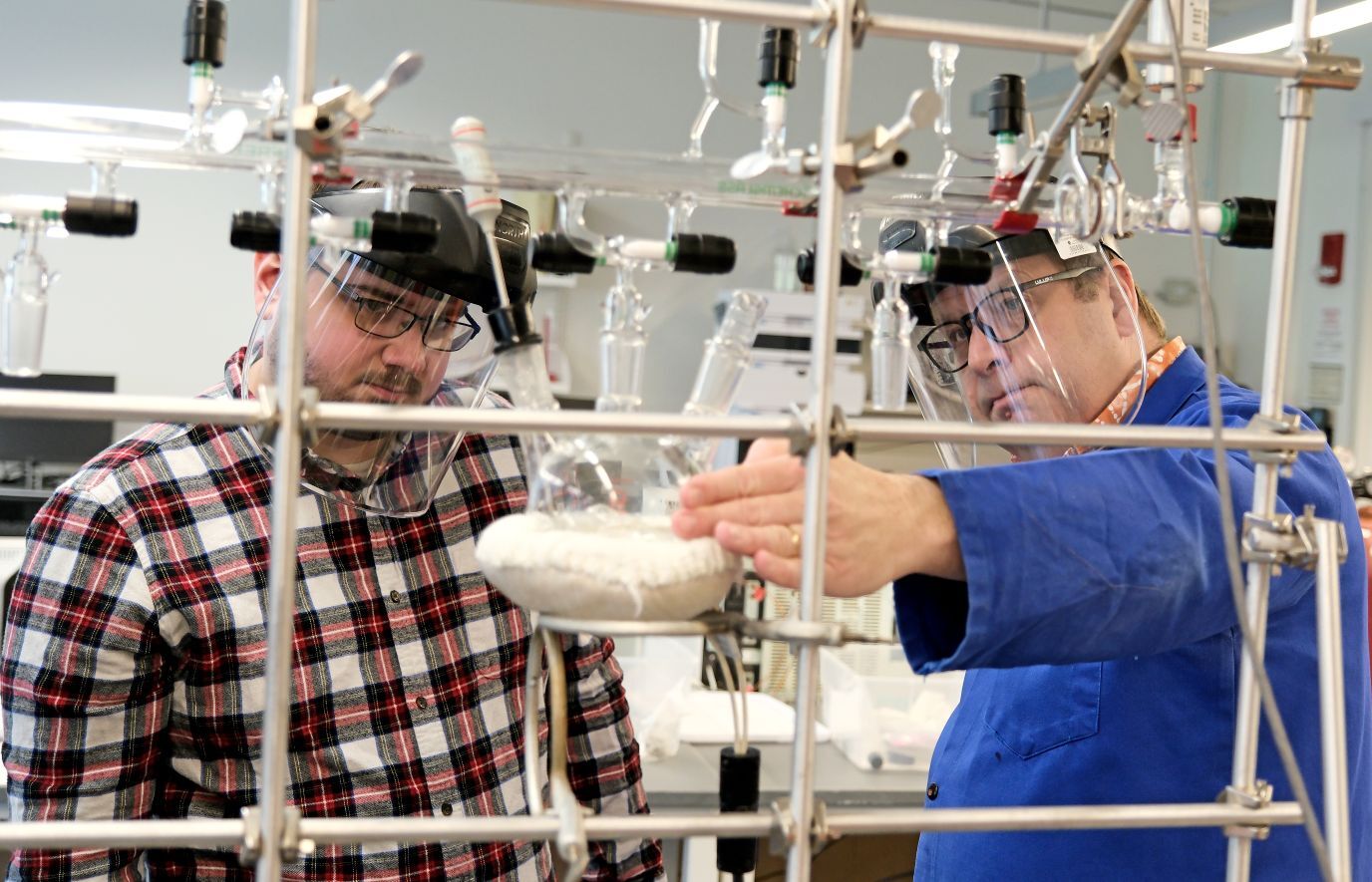
Students in Biology and Chemistry Professor Mathangi Krishnamurthy's Organic Chemistry Lab make nylon in the Antonucci Science Complex. This course covers topics such as structure, functional groups, stereochemistry, nomenclature and reactions of organic compounds. Reactions of carbonyl compounds and carboxylic acids and their derivatives are covered in detail including nucleophilic addition, condensation and nucleophilic substitution with special emphasis on reaction mechanisms and stereochemical outcomes.
Topics: Health and Natural Sciences
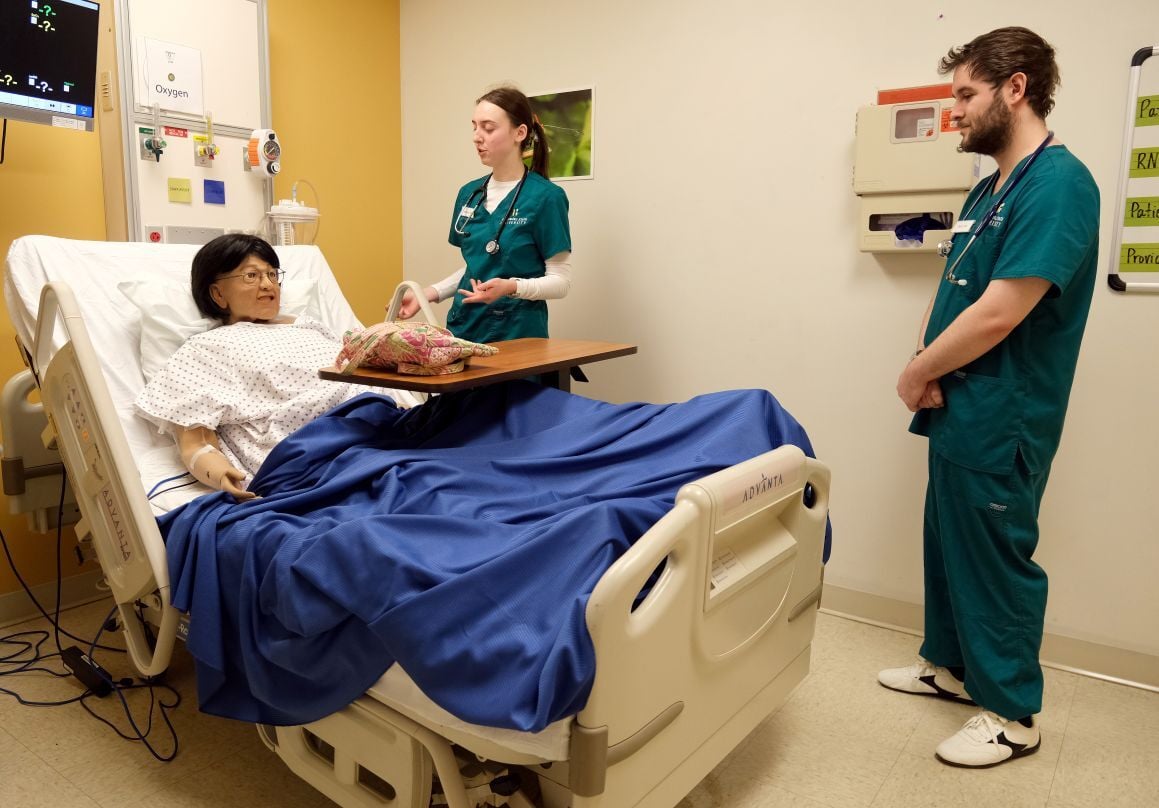
Our nursing students recently worked through a pediatric patient scenario in our Nursing Simulation Laboratory. The Nursing Simulation Laboratory assists nursing students in learning critical thinking and clinical judgment skills in preparation for their healthcare careers. The “manikins” act as lifelike patient simulators, wherein instructors provide real-time feedback via a control center, giving students as close to real-life simulation as possible. Fellow students watch as their classmates work through the simulation. All students and faculty debrief after the scenario.