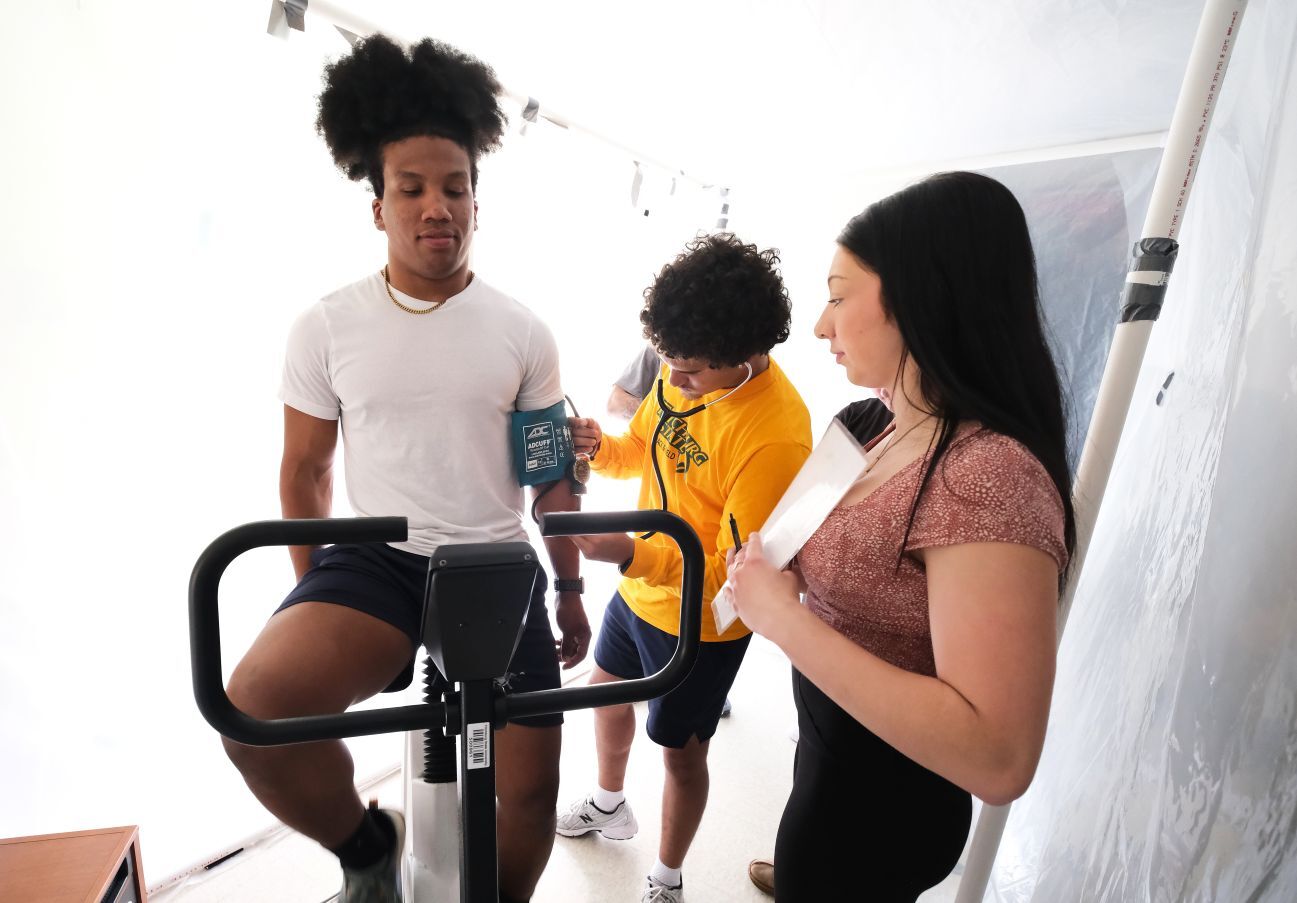
Students in Exercise and Sports Science Professor Jason Talanian's Exercise Testing and Prescription class recently had a session with Yoga & Meditation Instructor Anita Perry at our Recreation Center.
Topics: Health and Natural Sciences, Exercise and Sports Science
Nursing students learn tracheostomy in their Nursing Foundations Lab. A tracheostomy is a surgical opening in the neck to the windpipe (trachea) to insert a tube, which helps with breathing. In this course, emphasis is placed on professionalism, caring, communication, cultural considerations, spirituality, sexuality and health promoting activities.
Teams of students in Exercise and Sports Science Professor Lindsay Parisi Exercise Physiology I Lab conducted an oxygenation experiment in the North St. Exercise & Sports Science Lab. In this course, human systemic response and adaptation to exercise and exercise training are studied in-depth. Topics included are epidemiology and physiology in health and disease, homeostasis and exercise metabolism, bioenergetics, nutrition, exercise and performance, exercise prescriptions for health, training, exercise and the environment and factors limiting performance. Laboratory experiences provide practical assessment skills as well as application of the scientific method to problems and issues in this field.
Topics: Health and Natural Sciences, Exercise and Sports Science
Students in Biology and Chemistry Professor Ronald Krieser Genetics Lab extract DNA at the Antonucci Science Complex. In this course, basic principles of biological information processing are examined including Mendelian inheritance, sex determination, chromosome cytogenetics, linkage, recombination and genetic mapping, mutagenesis, molecular genetics and gene-enzyme relationships, and quantitative inheritance. Learn more about our School of Health and Natural Sciences here.
Topics: Health and Natural Sciences
This morning, our nursing students worked through a pediatric patient scenario in our Nursing Simulation Laboratory. The Nursing Simulation Laboratory assists nursing students in learning critical thinking and clinical judgment skills in preparation for their healthcare careers. The “manikins” act as lifelike patient simulators, wherein instructors provide real-time feedback via a control center, giving students as close to real-life simulation as possible. Fellow students watch as their classmates work through the simulation. All students and faculty debrief after the scenario.
It was Cache Me If You Can vs. Head Bosses In Charge in Earth and Geographic Sciences Professor Jane Huang's Intro to Geospatial Technology class. On Monday, each team hid small objects around campus and now have to find the other team's objects using GPS (Global Positioning System). This is a gateway course to theories, skills, and techniques of geospatial technologies, such as GPS, Google Earth, GIS (Geographic Information System), and remote sensing. Hands-on computer exercises based on a wide range of social and physical features are utilized to provide a solid foundation for further geospatial technologies classes.
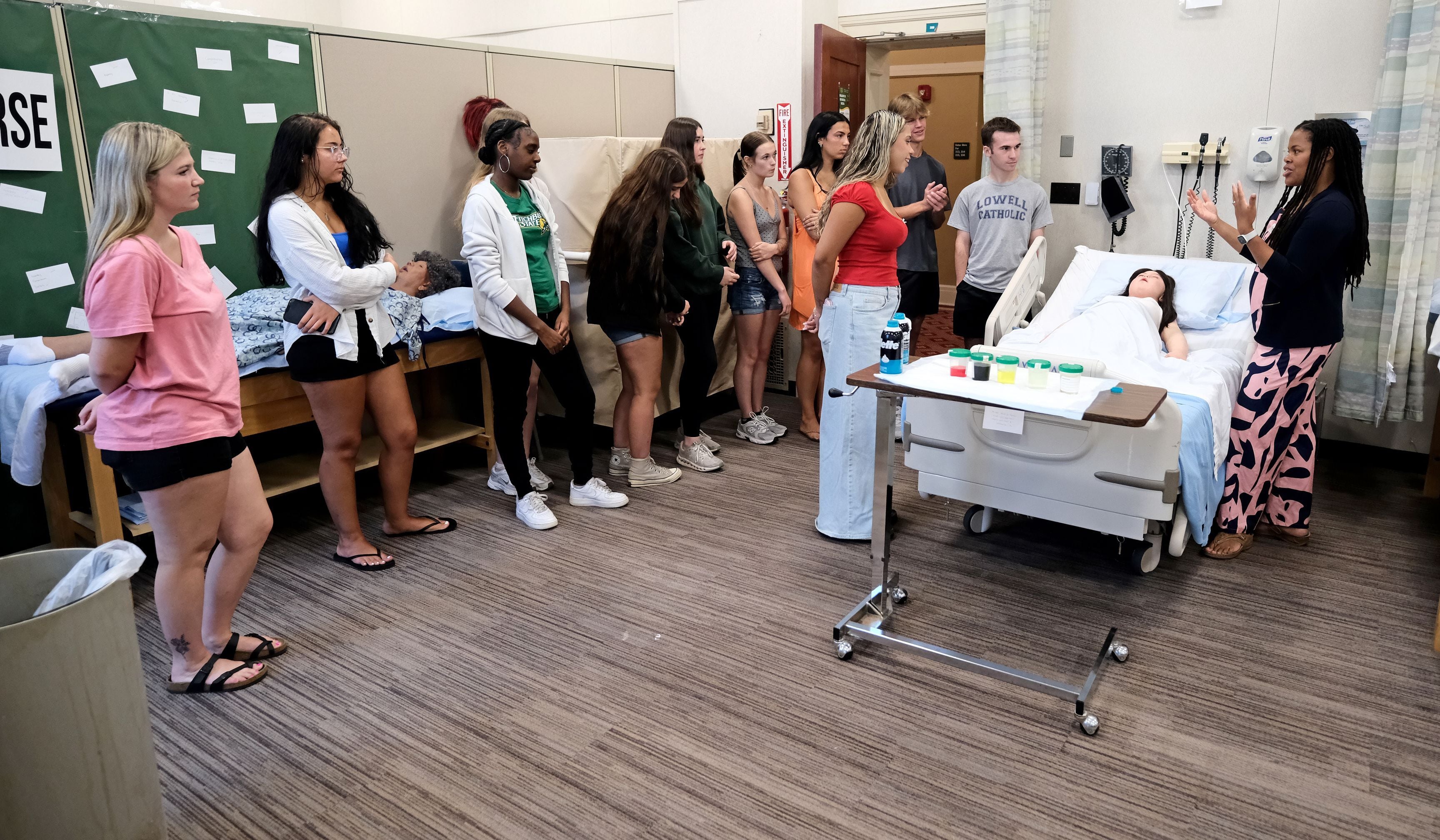
Nursing assess the "patient's" health in their Nursing Foundations Lab. In this course, emphasis is placed on professionalism, caring, communication, cultural considerations, spirituality, sexuality and health promoting activities.
Biology and Chemistry Professor Ronald Krieser gives a lesson in tissue culture in his Genetics Lab in the Antonucci Science Complex. In this course, basic principles of biological information processing are examined including Mendelian inheritance, sex determination, chromosome cytogenetics, linkage, recombination and genetic mapping, mutagenesis, molecular genetics and gene-enzyme relationships, and quantitative inheritance. Learn more about our School of Health and Natural Sciences here.
Topics: Health and Natural Sciences
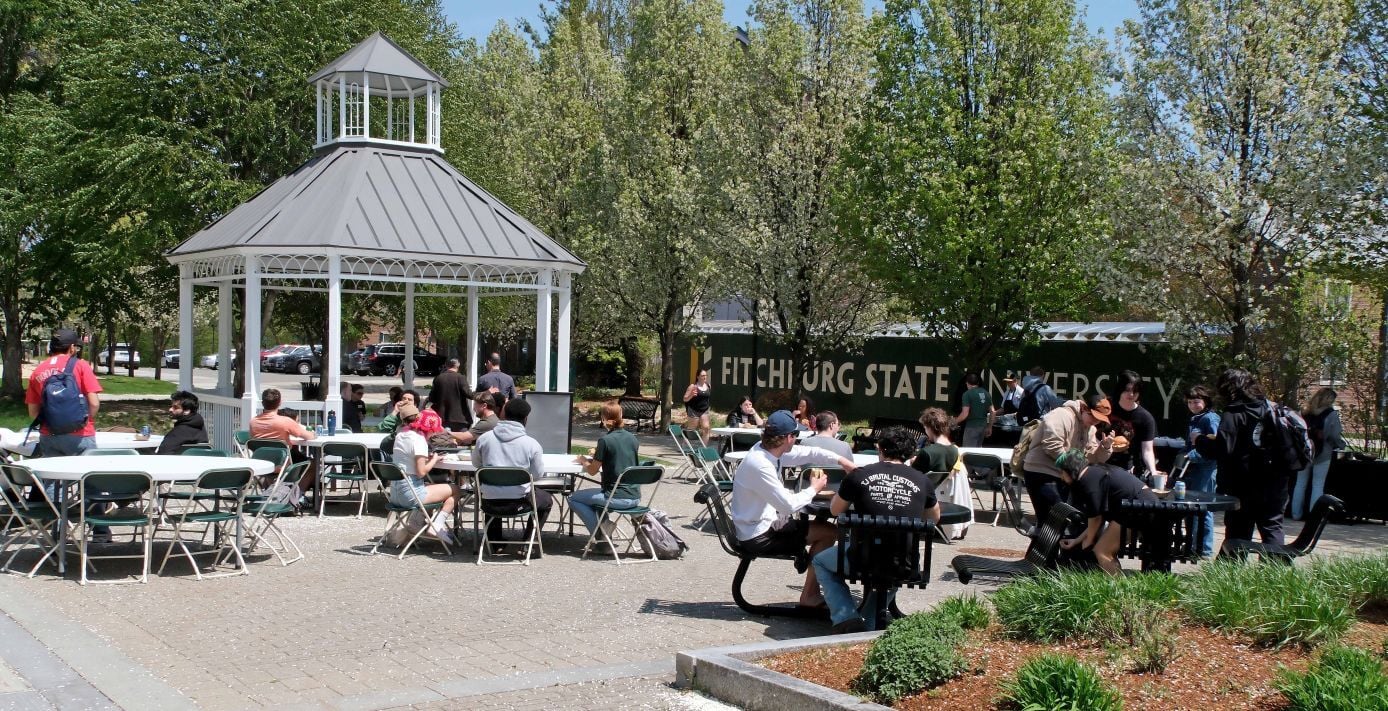
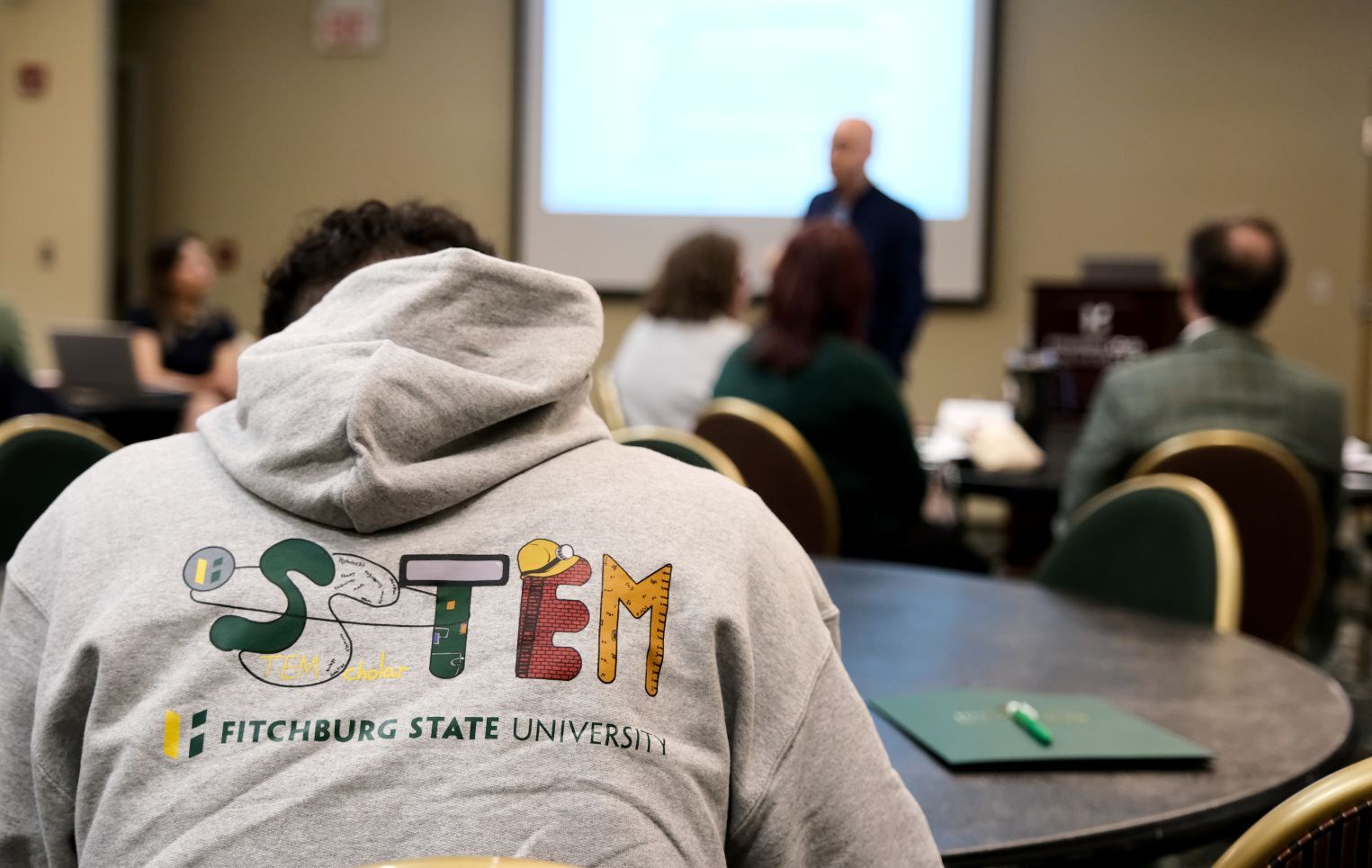
The Biology, Chemistry, and Earth & Geographic Sciences departments held their annual science symposium Tuesday afternoon at the Lisciotti pavilion in the Antonucci Science Building as part of our S.T.E.M. Week events. This is an event where the science faculty present posters on their research to get students interested and involved in the sciences. The Bio Chem Club was there to celebrate Mole Day, which commemorates Avogadro's number , ( 6.02 × 10²³ ) by making moles.
Topics: Clubs and Organizations, Health and Natural Sciences, Environmental Science
Biology and Chemistry Professor Elizabeth DiLoreto reviews skeletal structure with students in her Human Anatomy & Physiology I Lab in the Antonucci Science Complex. The course explores the structure and function of the human organism on the cellular, tissue, organ, and system levels. Cellular metabolism, histology, and the following systems: skeletal, muscular, and nervous (including the special senses) are examined. The laboratory emphasizes both physiology and the dissection of preserved mammalian specimens.
Topics: Health and Natural Sciences