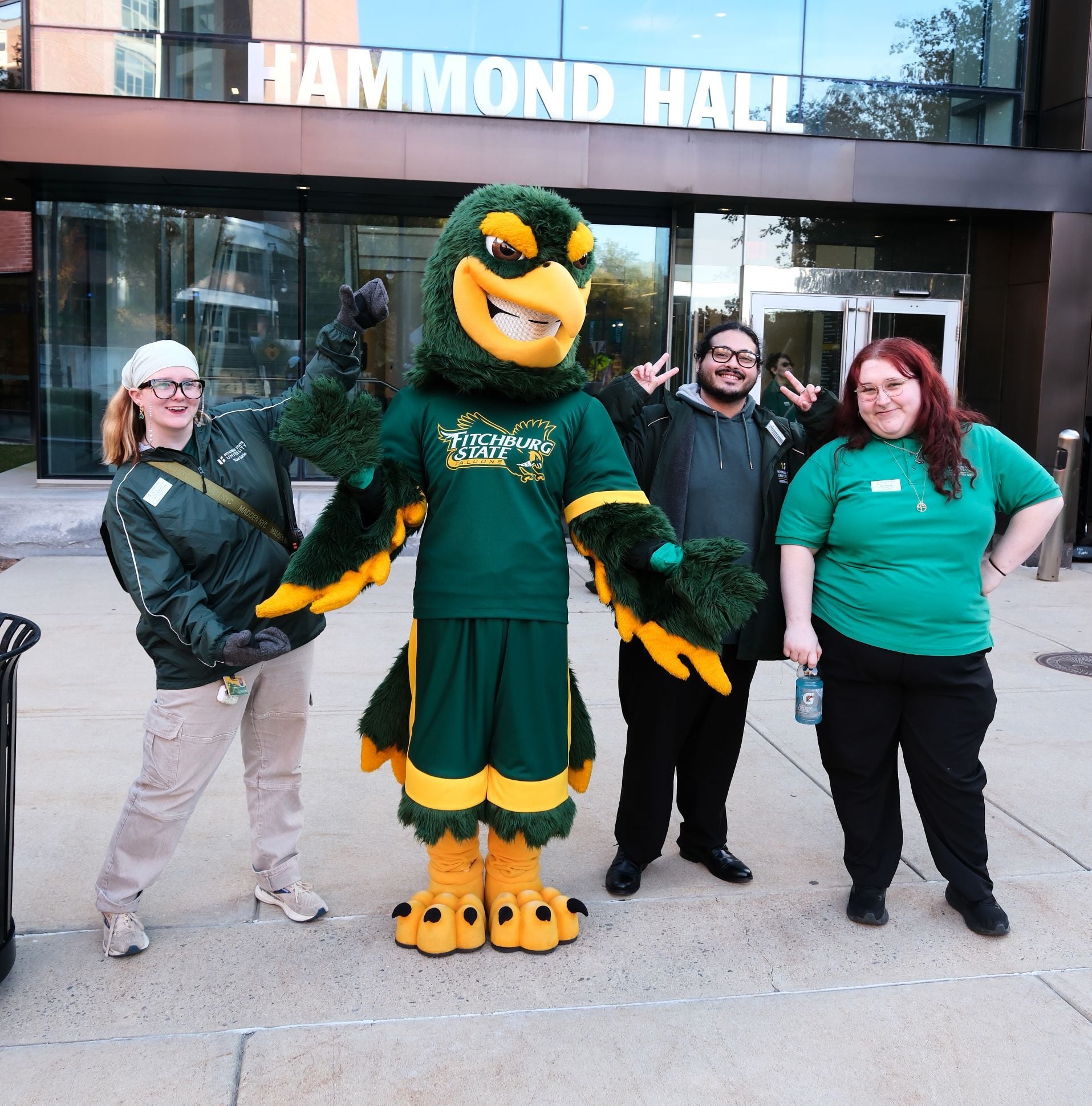
What a beautiful day to welcome our future Falcons to campus!


Topics: Admissions
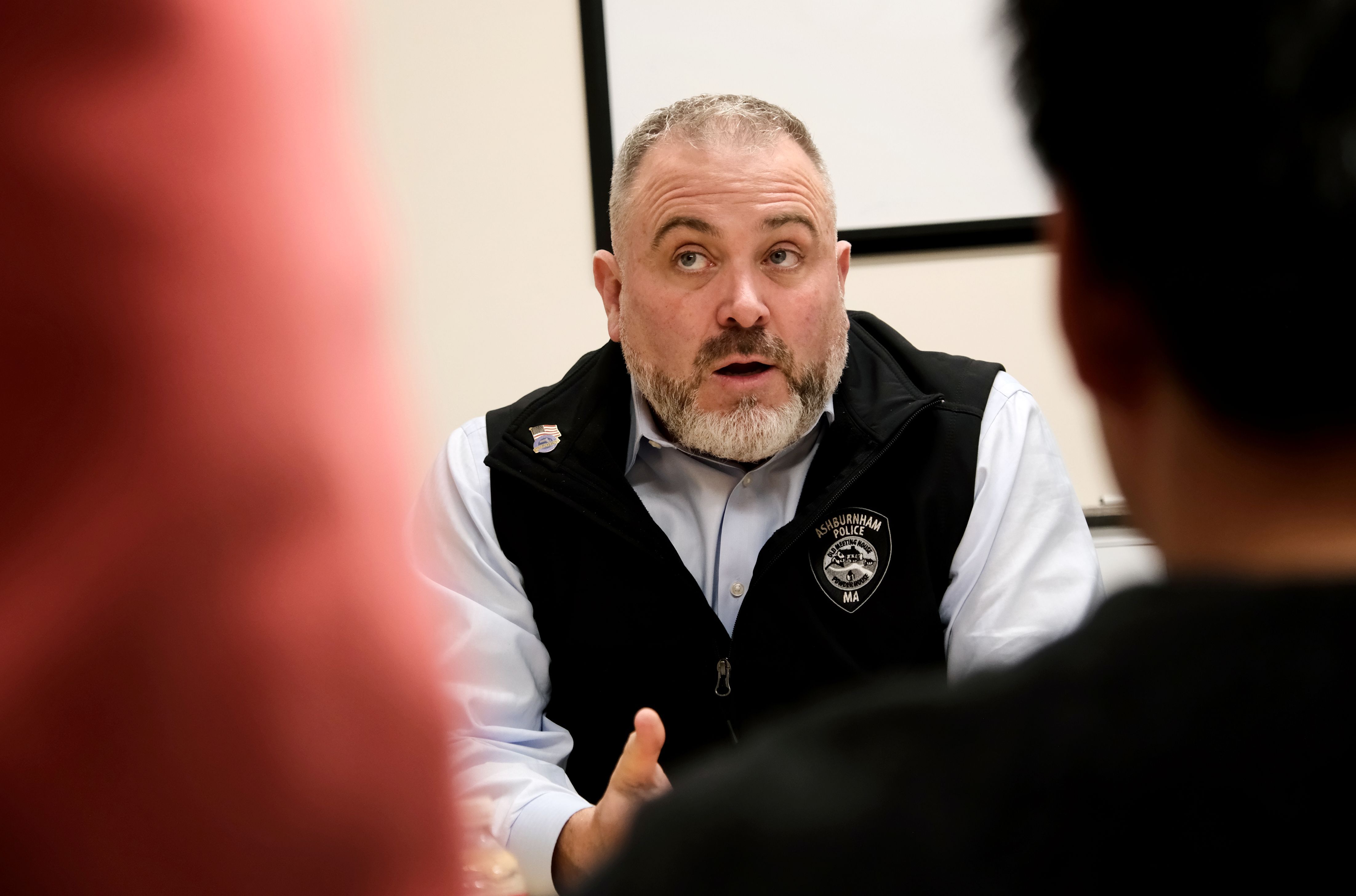
Earlier today, students got an exclusive look into the world of law enforcement as Drill Instructor Lt. John Boucher from the Ashburnham Police Departmentheld open office ours in the McKay Campus School.
This, the first installment of a new series by our Fitchburg State University Police Program, gives our Criminal Justice and Academy-bound students one-on-one time with active Fitchburg State Police Academy drill staff and instructors. From practical field tips—like day-to-day boot care and gear prep—to resume reviews and real-talk career advice, students gained invaluable insights for their future careers. Sgt. Jeffrey Giles of the Townsend Police Department will be here 11/18 10am-1pm, and Detective Sergeant Lamoreaux of Auburn MA Police Department on 12/15 10-1pm.
These sessions provide our prospective police recruit officers and Criminal Justice students with direct access to experienced department leaders. Students received tailored career guidance, resume feedback, and practical advice on navigating a successful transition into law enforcement.
Topics: Police Program, Criminal Justice, Behavioral Sciences
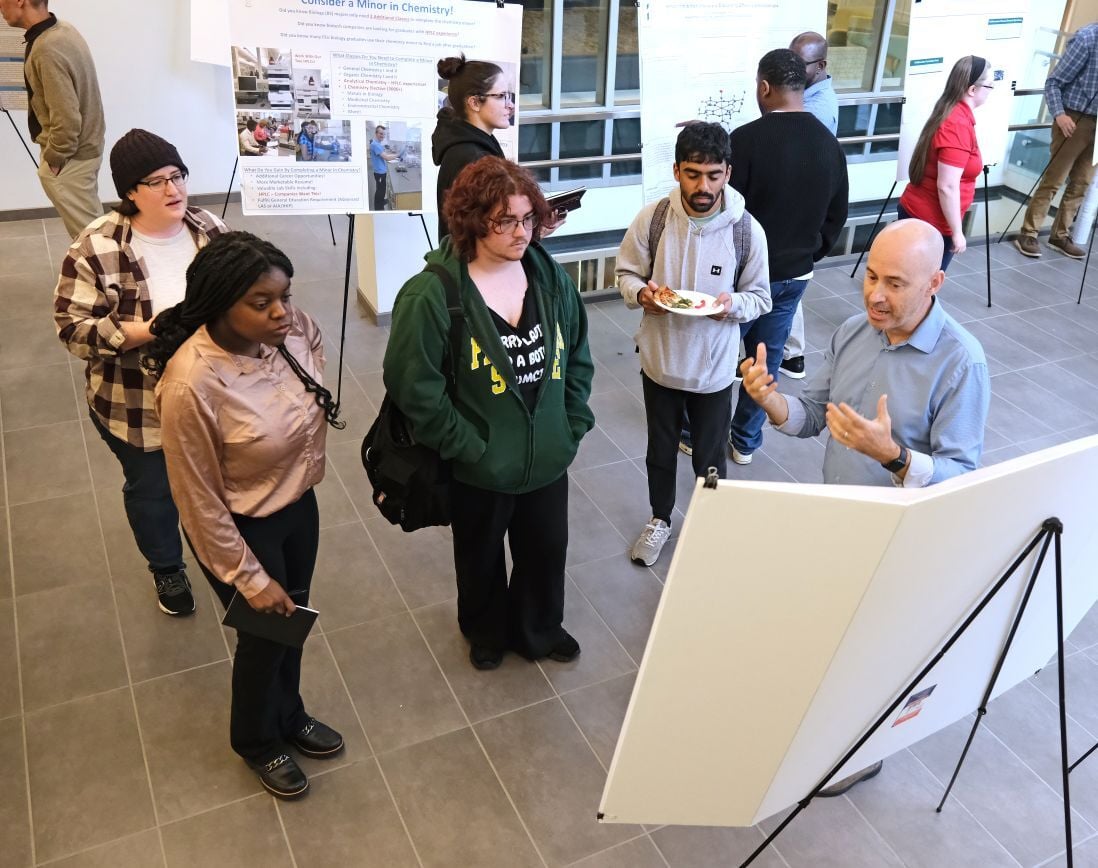
The Biology, Chemistry, and Earth & Geographic Sciences departments held their 10th annual science symposium Wednesday afternoon at the Lisciotti pavilion in the Antonucci Science Building as part of our S.T.E.M. Week events. This is an event where the science faculty present posters on their research to get students interested and involved in the sciences.
Topics: Faculty, Health and Natural Sciences, Environmental Science
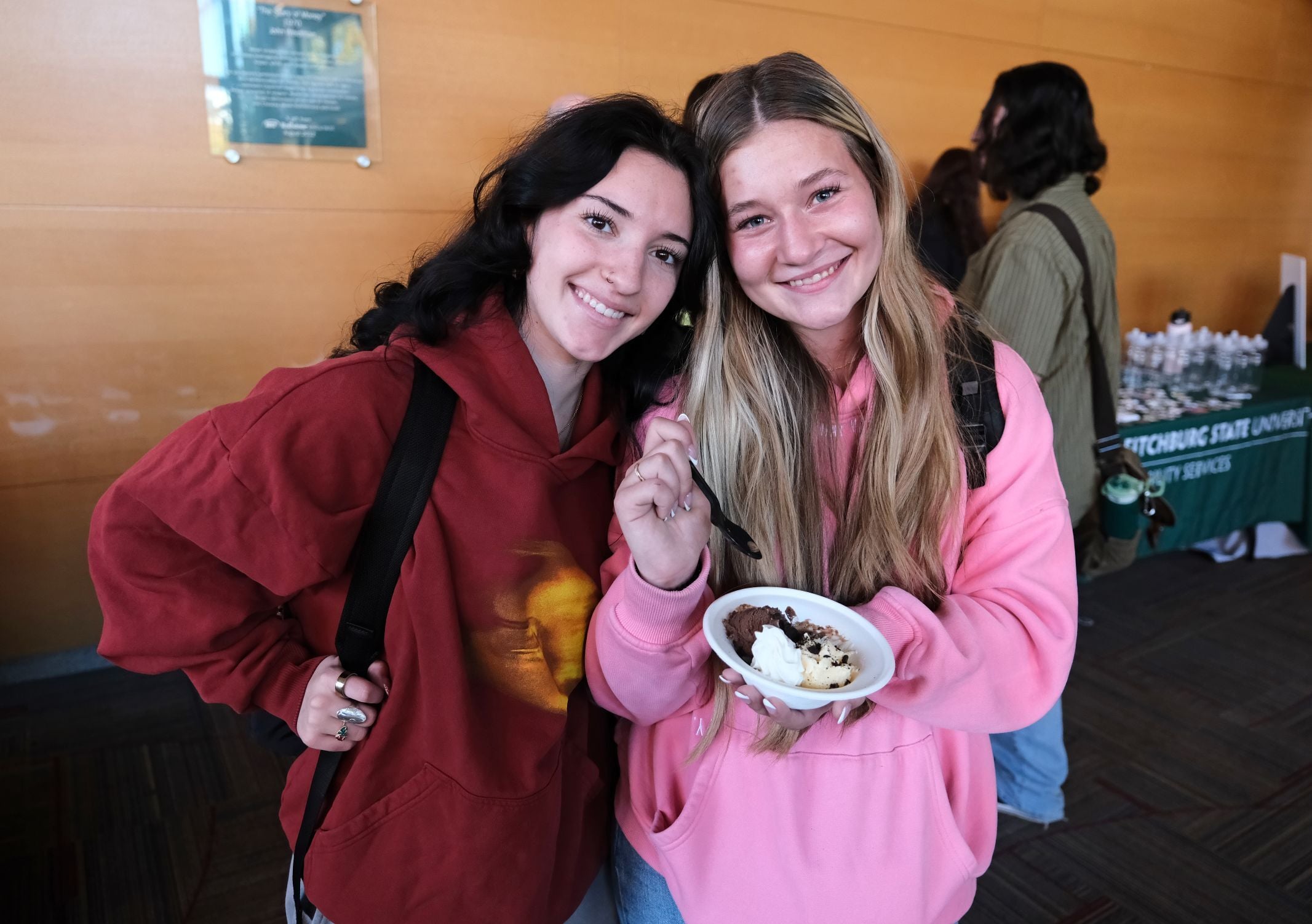
Student Affairs & Student Success hosted a "Sweeten Your Semester" - Student Support & Involvement Fair In Hammond Hall Main Lounge. This was a cross-campus collaboration with the goal of reconnecting students with campus resources and encouraging campus involvement during a time in the semester when stress can often be at its peak due to factors such as changing weather, midterms, advising, etc. The event also provided students with an opportunity to take a break, socialize, and enjoy some free ice cream!
Topics: Clubs and Organizations, University Police, Student Engagement
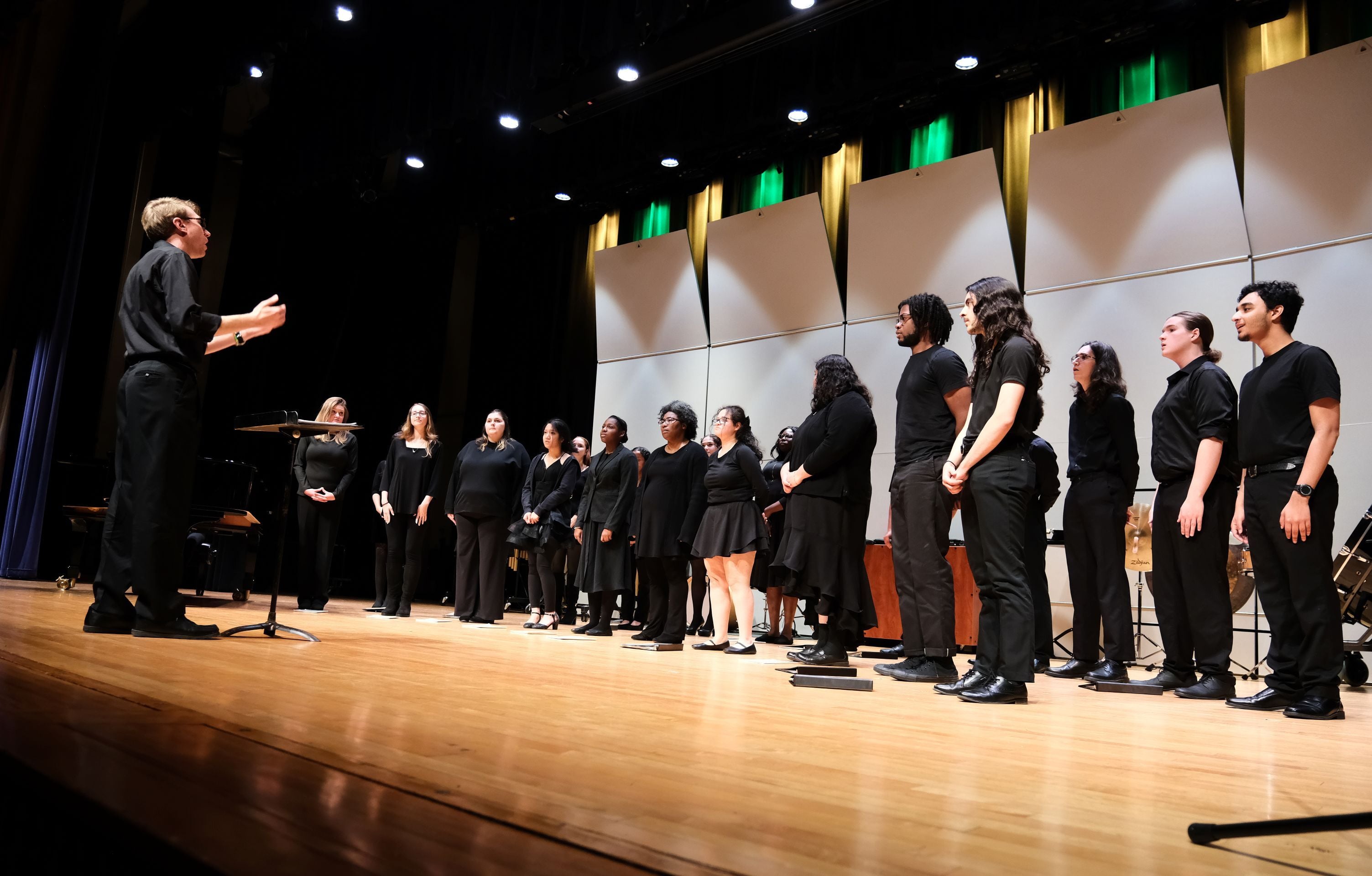
Fitchburg State University’s instrumental and choral ensembles performed a joint concert last evening in Weston Auditorium. The concert program served as a showcase of “bite-sized” performances by the Community Orchestra, Concert Band, Concert Choir, Chamber Choir, the Falcon Drumline, and the Fitchbyrds Modern Jazz Band. Ensembles included Fitchburg State students, community members, faculty and staff. Faculty members Jonathan Harvey, Amy McGlothlin, and Hildur Schilling hosted and performed with their respective group. Learn more about our Music Programs here.
Topics: Humanities, Music Programs, Creative Arts Therapies, Creative Arts Enterprise
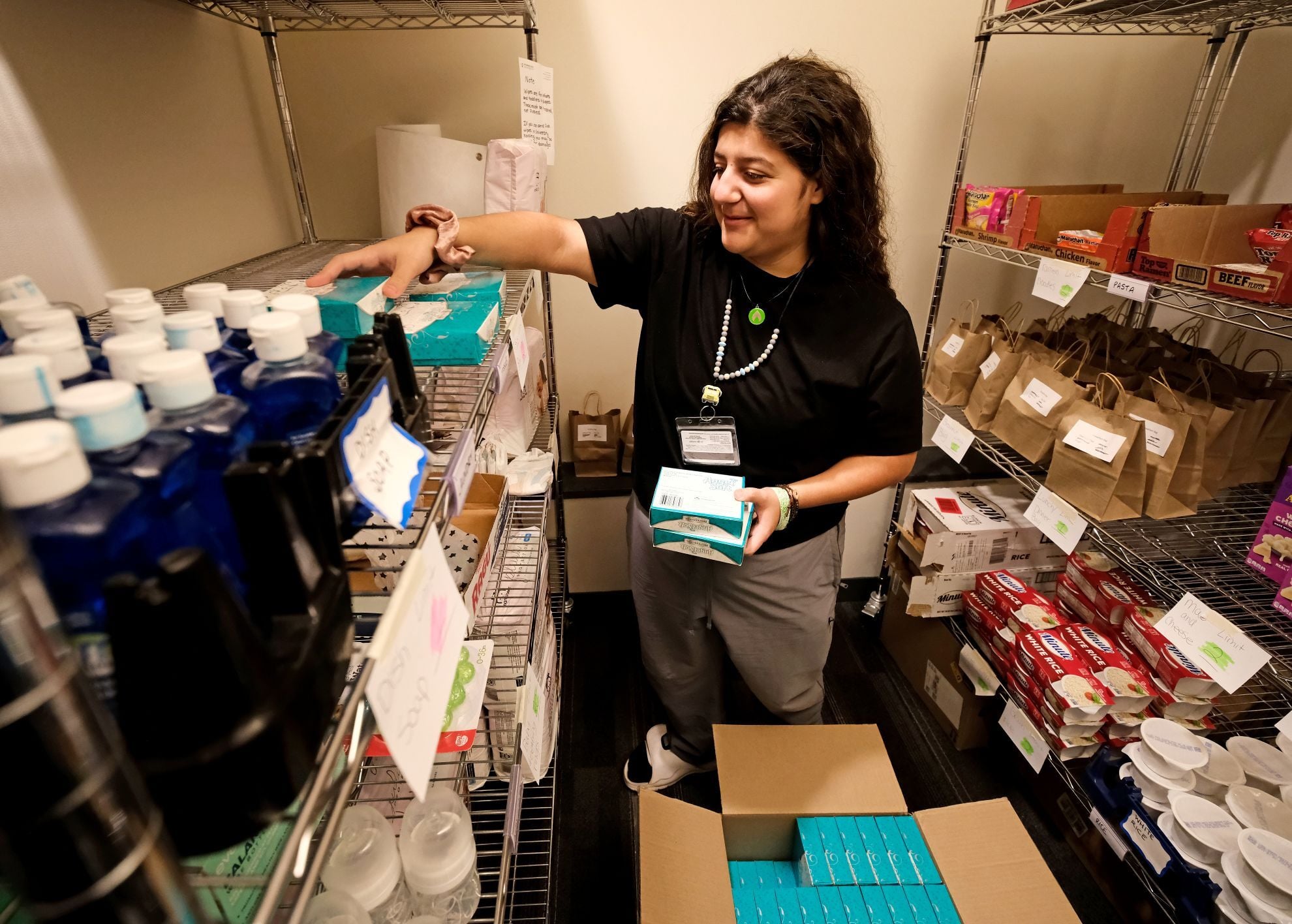
Students from English Studies Professor Katharine Covino's FYE course - "What Do We Owe Ourselves? & What Do WE Owe Each Other?" - completed a Day of Service at the Fitchburg State University Falcon Bazaar Food Pantry and Professional Clothing Closet. After a quick tour of the well stocked and organized Falcon Bazaar Food Pantry CARE and Case Management Case Manager, Basic Needs Specialist Oneirys DiBuono, brought the students to the nearby Professional Clothing Closet where she needed some serious help. After some instructions, students organized clothing by size, color, and type, and some general "housekeeping."
Topics: Community, English Studies
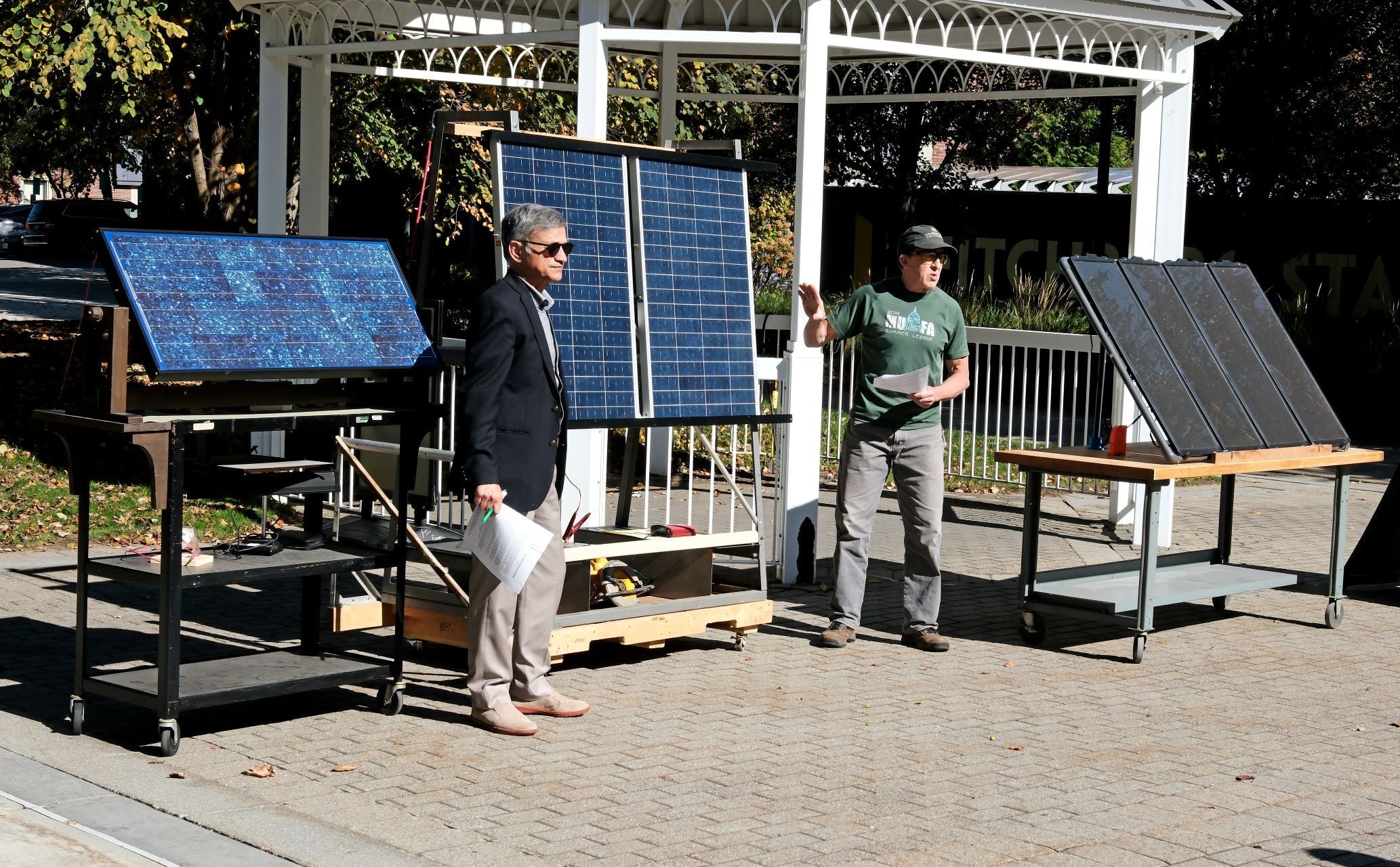
Engineering Technology Professor Sanjay Kaul along with Technical Asst. III Dan Cheney recently took advantage of a sunny fall day to bring the students in his Energy & Sustainable Practices course, along with different solar arrays, outside to measure the solar power they gathered. The course studies renewable and non-renewable forms of energy and sustainable practices including material selection, embedded energy, and material reuse. Students build and test both commercial and laboratory made devices and offers in-depth knowledge of energy supplies and sources. The course treats, in detail, topics as how rate of formation is slower than replacement, how energy sources could be best utilized and to identify the technology associated with energy resources and sustainability. The course studies renewable and non-renewable forms of energy and sustainable practices including material selection, embedded energy, and material reuse.
Topics: Engineering Technology
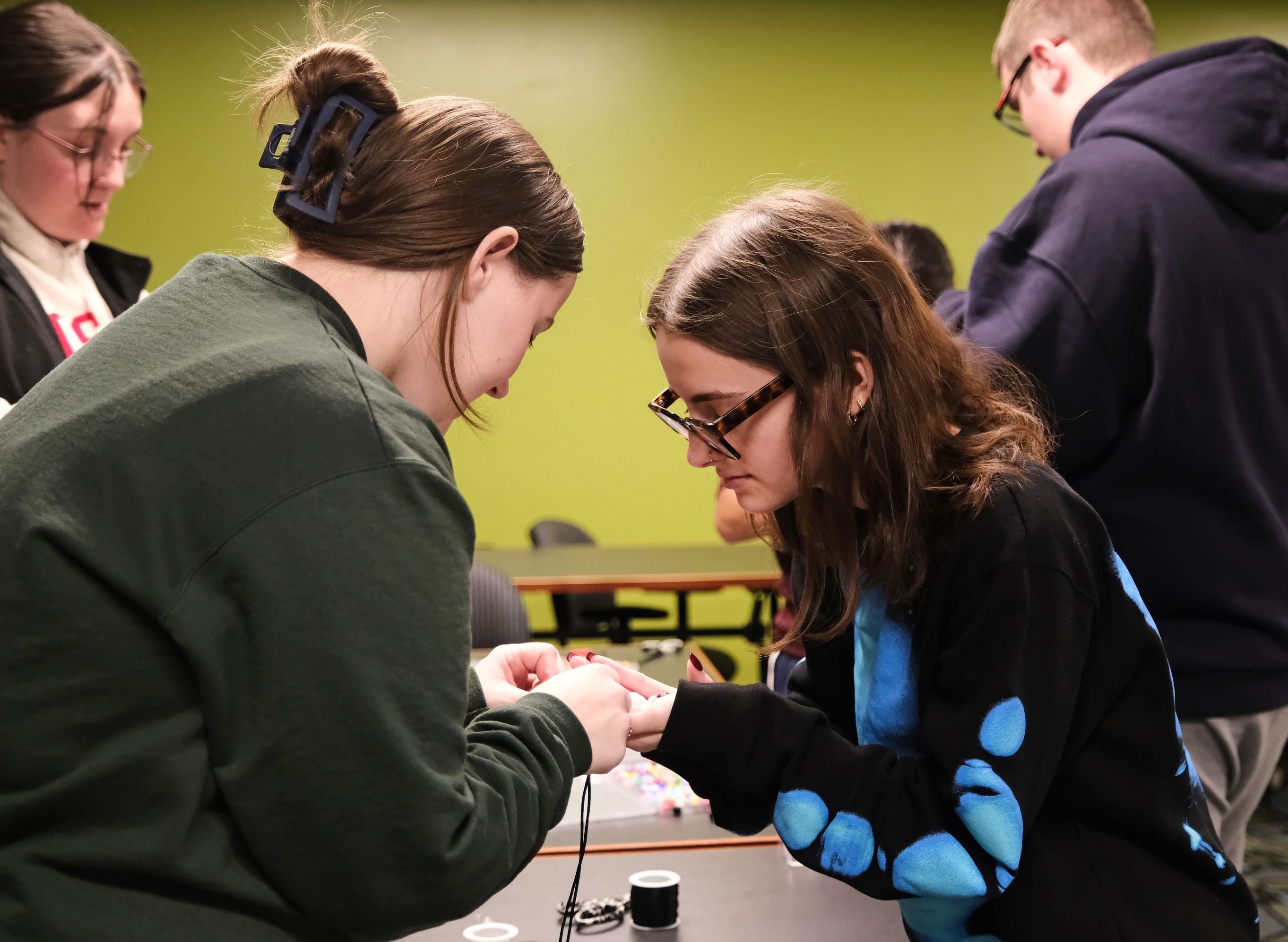
Members of the Fitchburg State University chapter of Kappa Delta Pi (KDP) —the International Honor Society in Education—recently met at the McKay Campus School for a hands-on prep session, crafting custom lanyards for their campus IDs and upcoming student teaching placements.
Topics: Community, Education Program
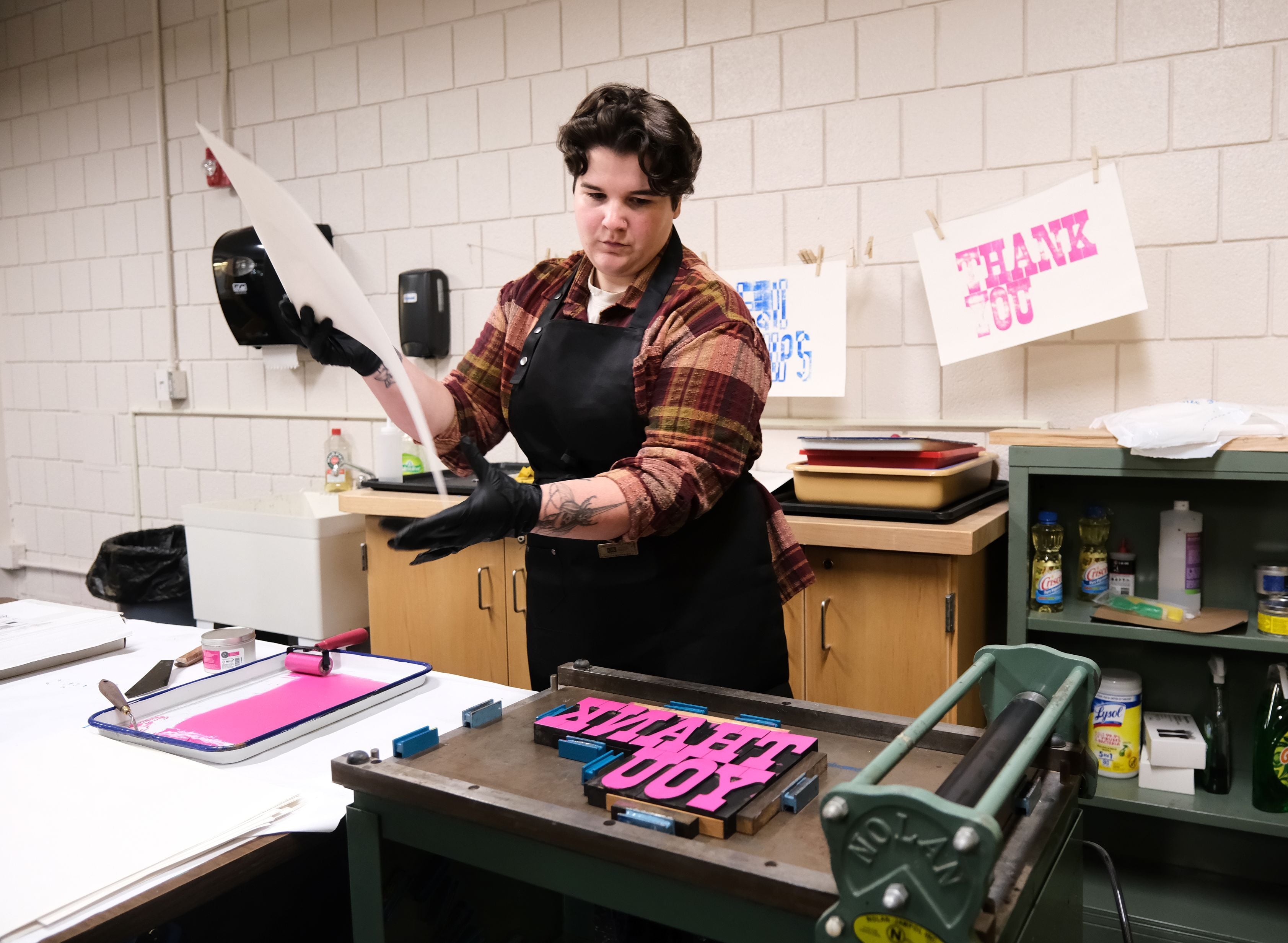
Students in Communications Media Graphic Design Professor Donald Tarallo's Font Design course took a break from their screens and went full throwback—stepping into the digital offline world to bring letters to life using 15th-century printing techniques.
Topics: Communications/Media
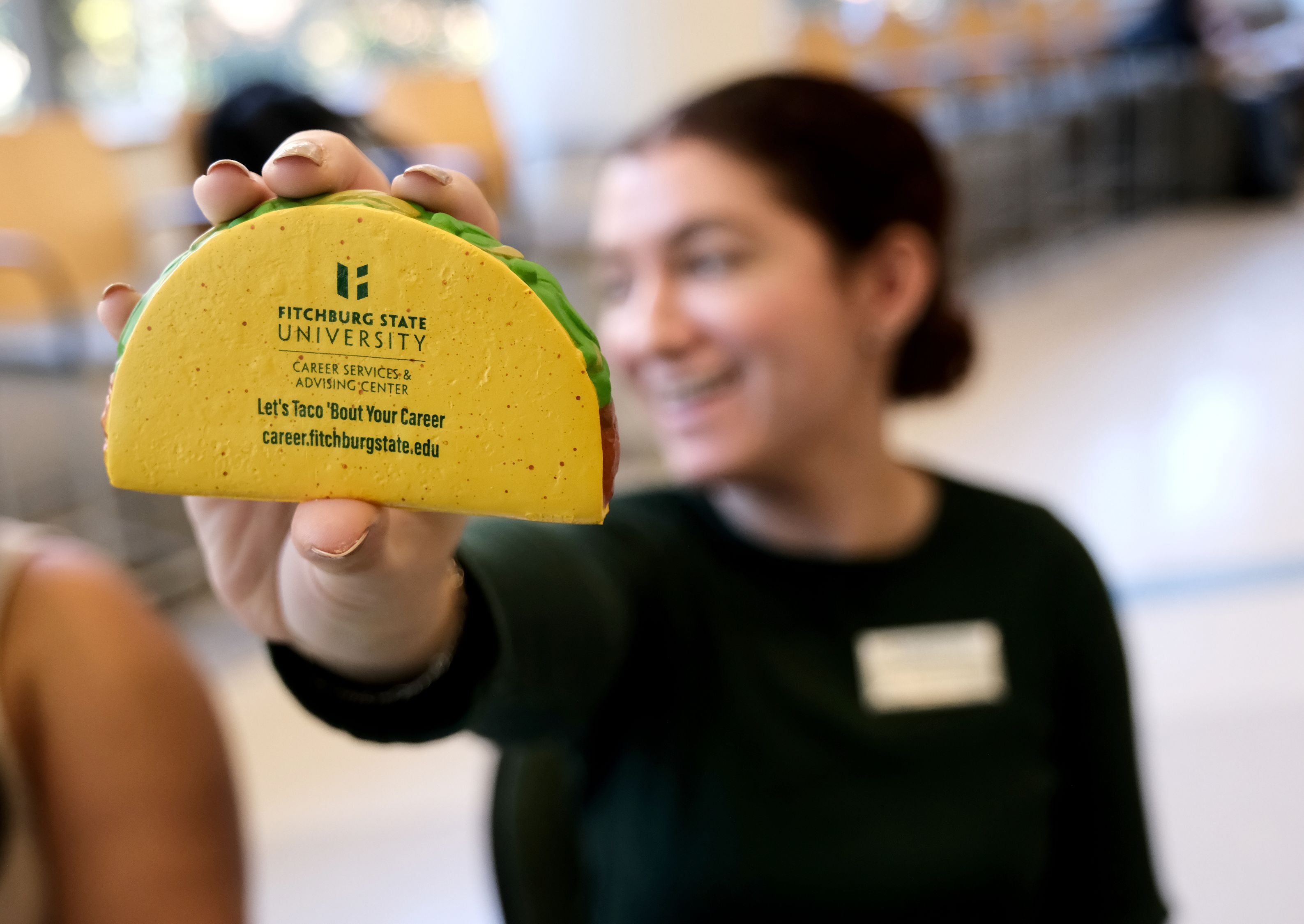
The lure of a free taco, churro, chips & salsa, and mock Margaritas at this Thursday's Career Services and Advising (CSA) Let's Taco 'Bout Your Career Event was irresistible. In this unique way to get students to start thinking about their next steps, and network with employers. On hand were Sare' Arnold & alum Will Billiel '26 of Enterprise Mobility, alum Edwin Pacheco Diaz '013 of Eden Rafferty Law, Herbert Jones of Boston's Museum of Fine Arts, and Carla Pope of Middlesex Savings Bank to network with students.
Topics: Alumni, Career Services