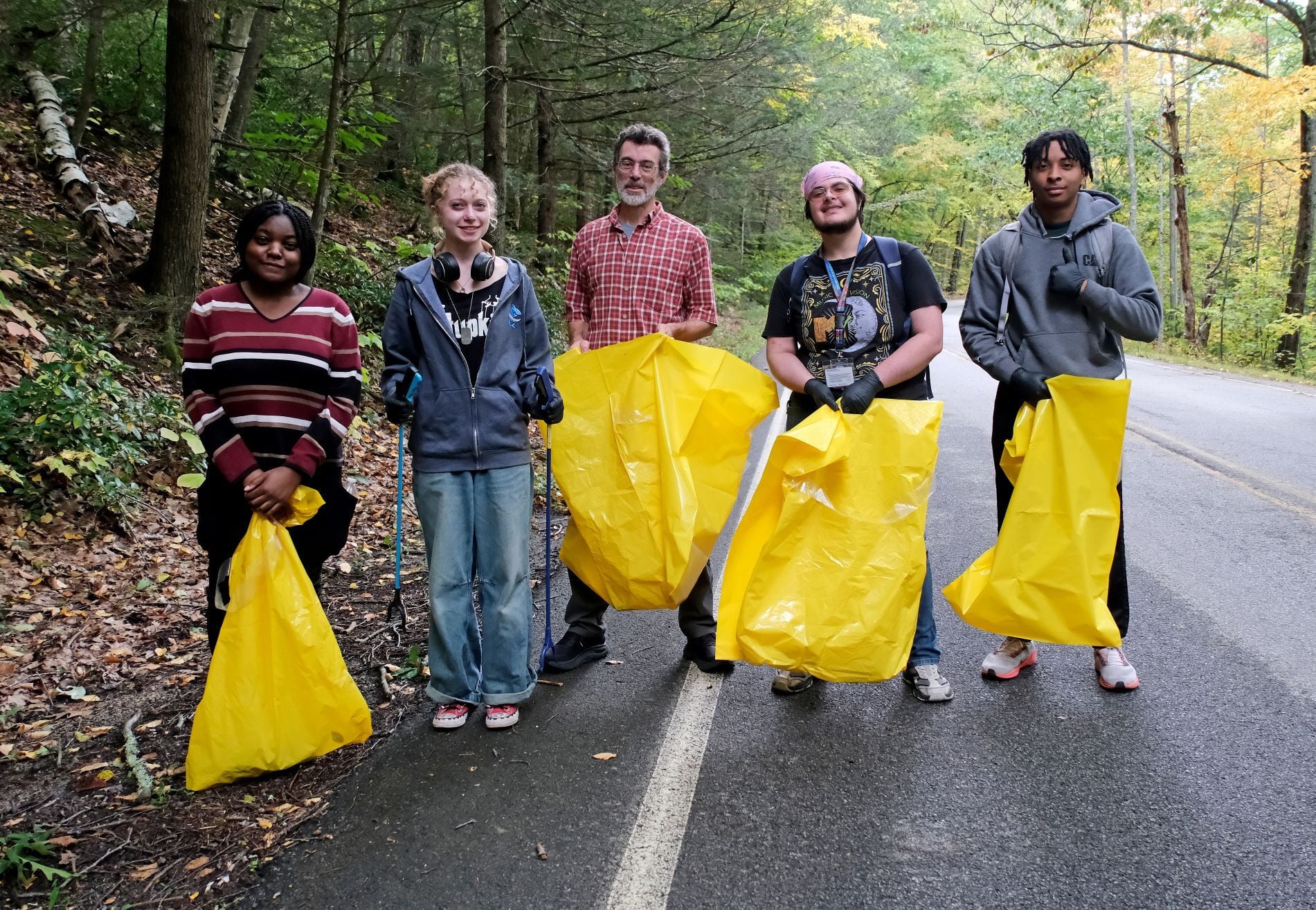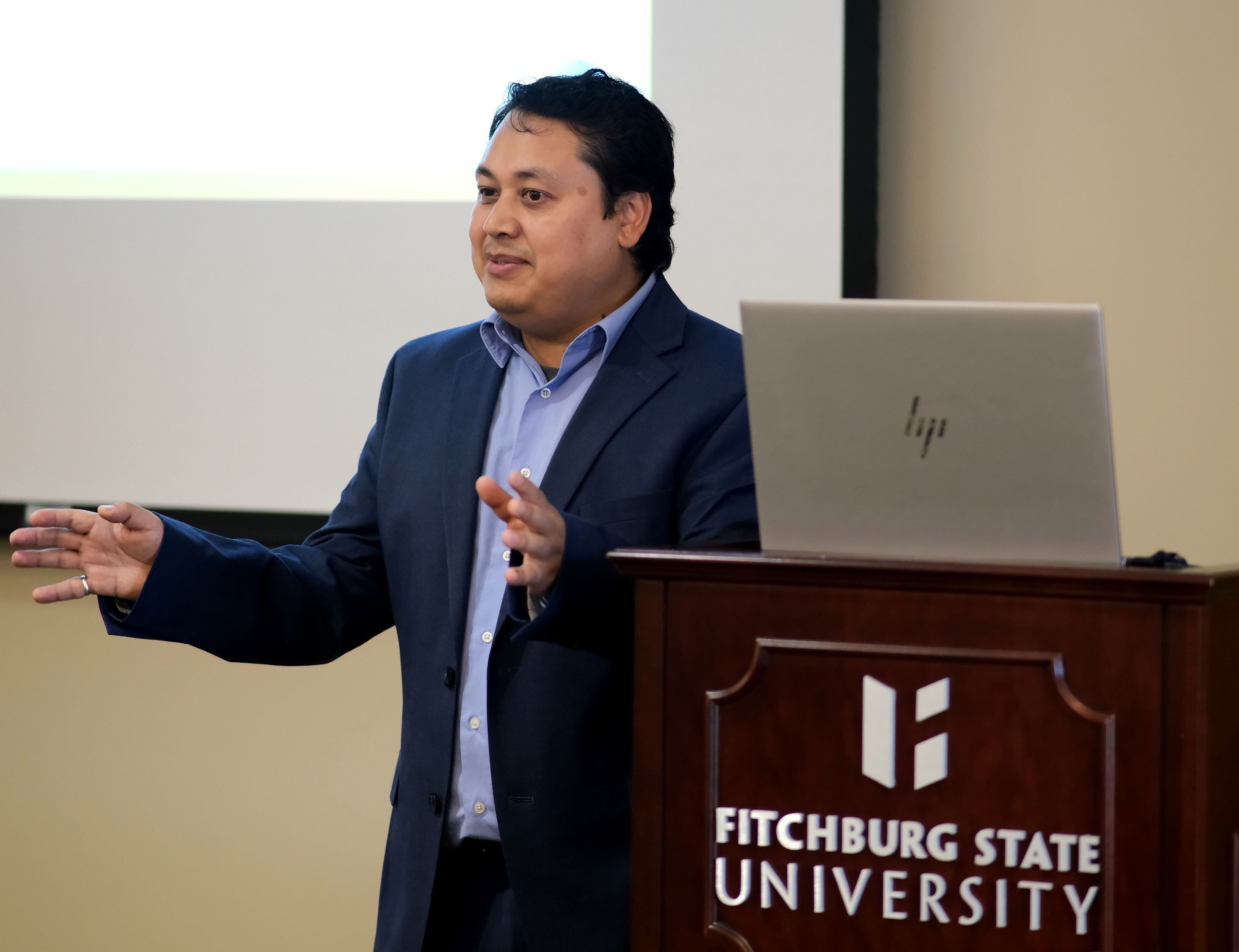
Teaming up for a cause, the Biology Club and Nursing students partnered with the Red Cross for a Blood Drive at the Main Lounge in the Hammond Hall. Students, faculty and staff rolled up their sleeves for a good cause.
Topics: Clubs and Organizations, Nursing Program, Health and Natural Sciences
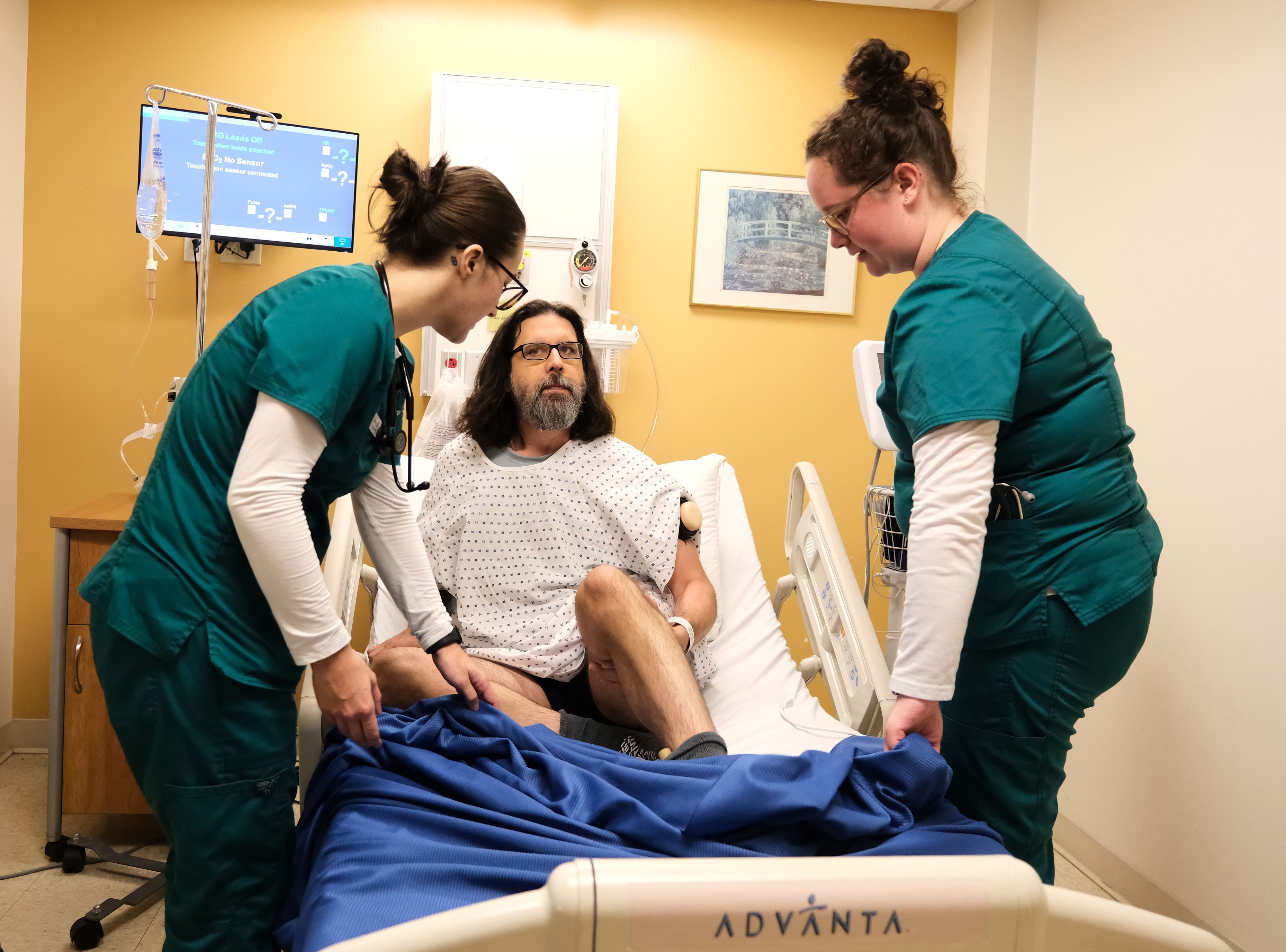
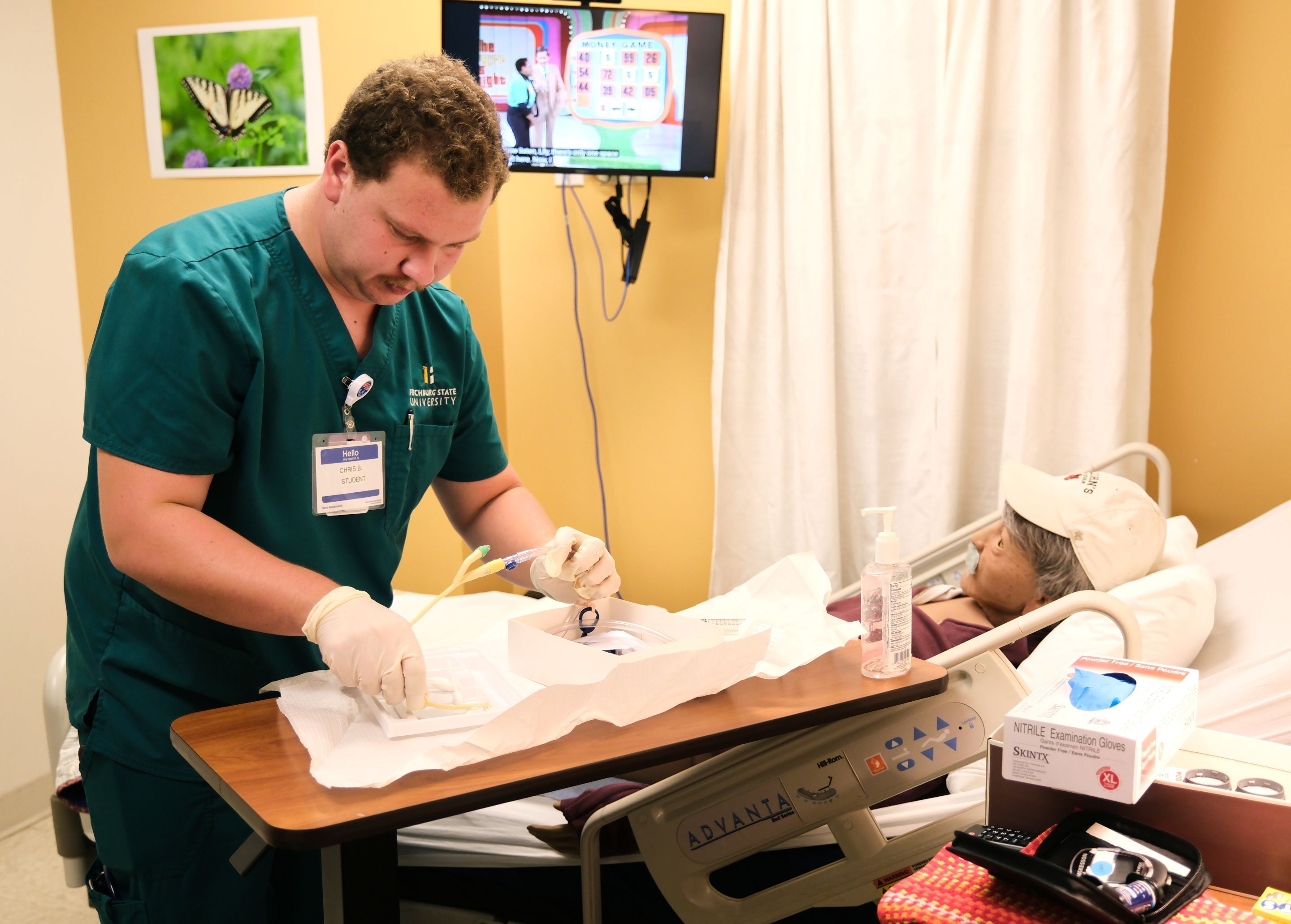
Our second-year Nursing students worked through a patient care scenario in our Nursing Simulation Laboratory. Gloria fell on the ice and needs wound care.
This afternoon, the university's Career Services and Advising Center sponsored a Health Sciences career fair in the Hammond Main Lounge. The program was open to all students in all majors, with a focus on positions in; nursing, biology, chemistry, and exercise and sports science.
Topics: Information Session, Nursing Program, Health and Natural Sciences
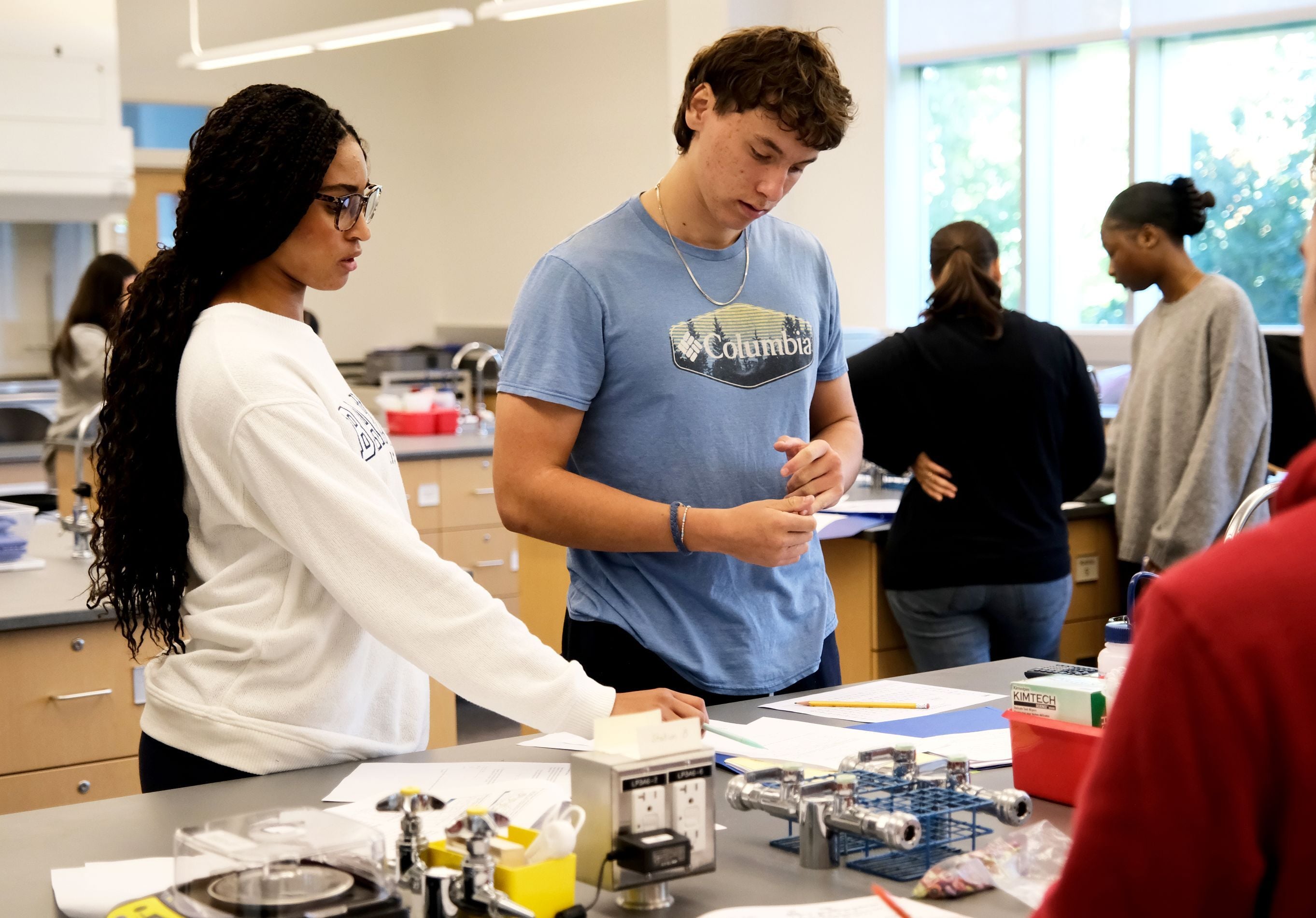
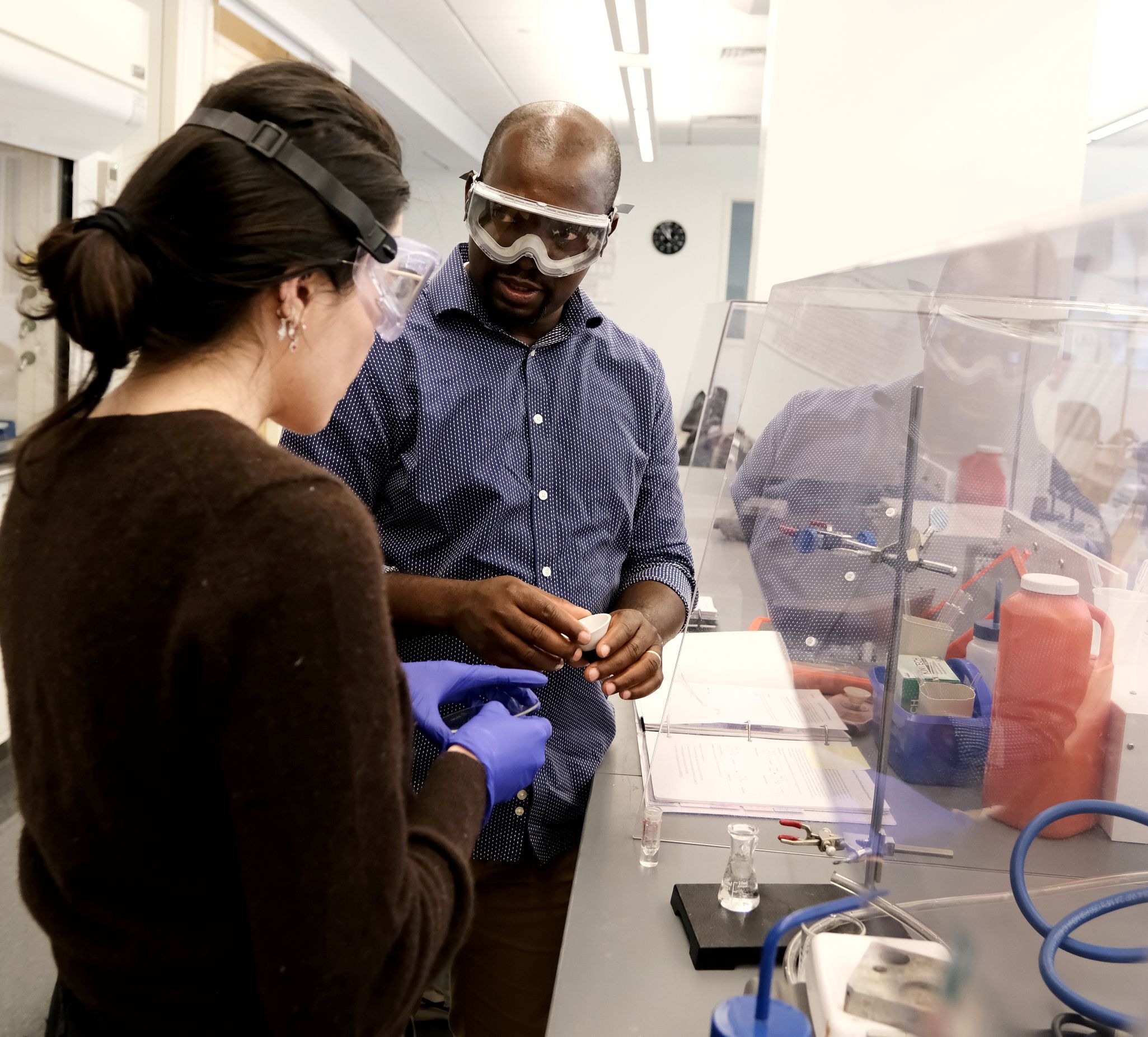
Students in Biology Professor Christopher Picone General Biology II Lab are studying early plant forms (mosses, ferns) in the Antonucci Science Complex. The course examines principles of organismal biology. Topics include evolution, diversity, plant biology, and animal biology. The laboratory emphasizes hypothesis formation and data analysis.
Topics: Health and Natural Sciences
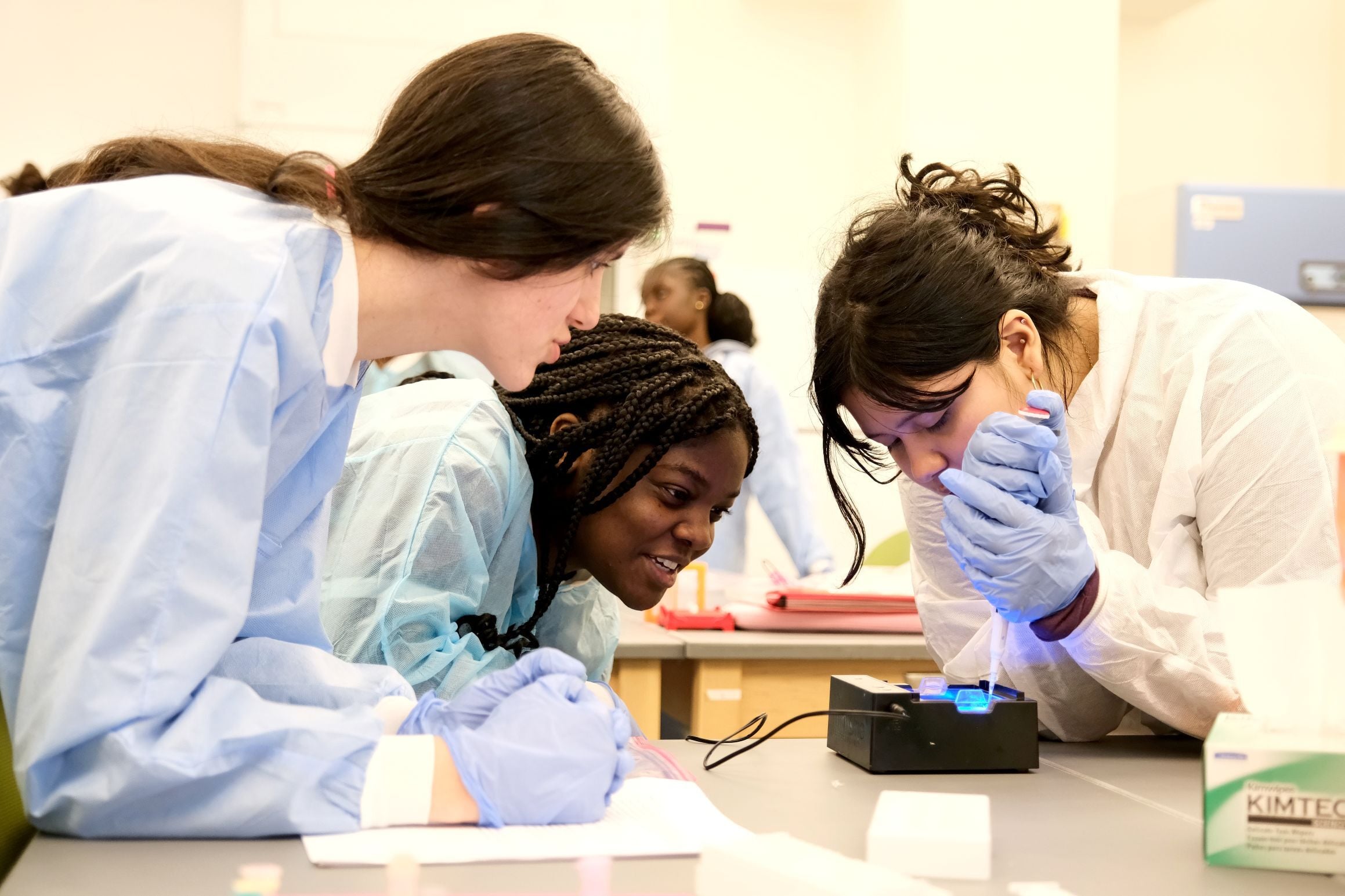
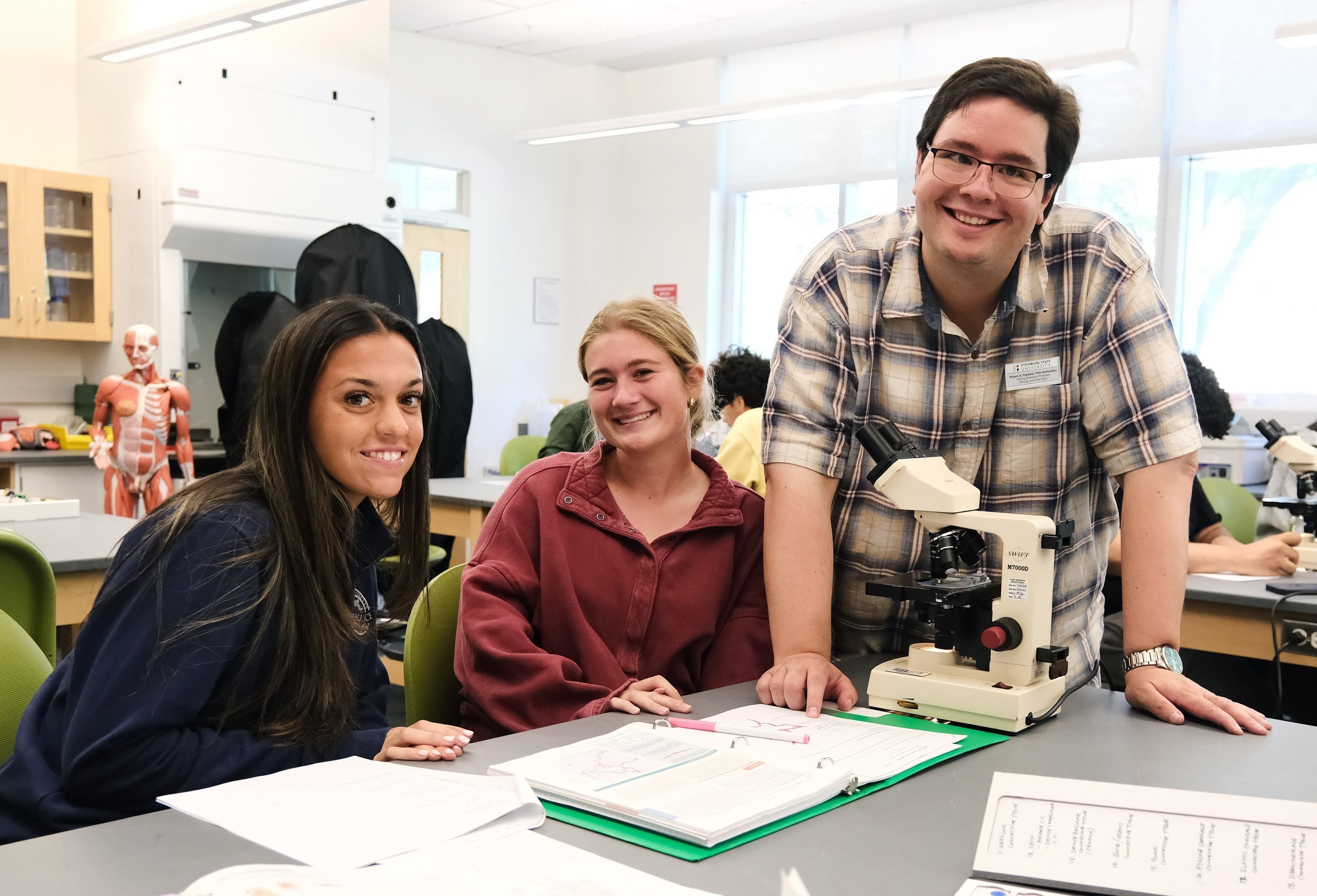
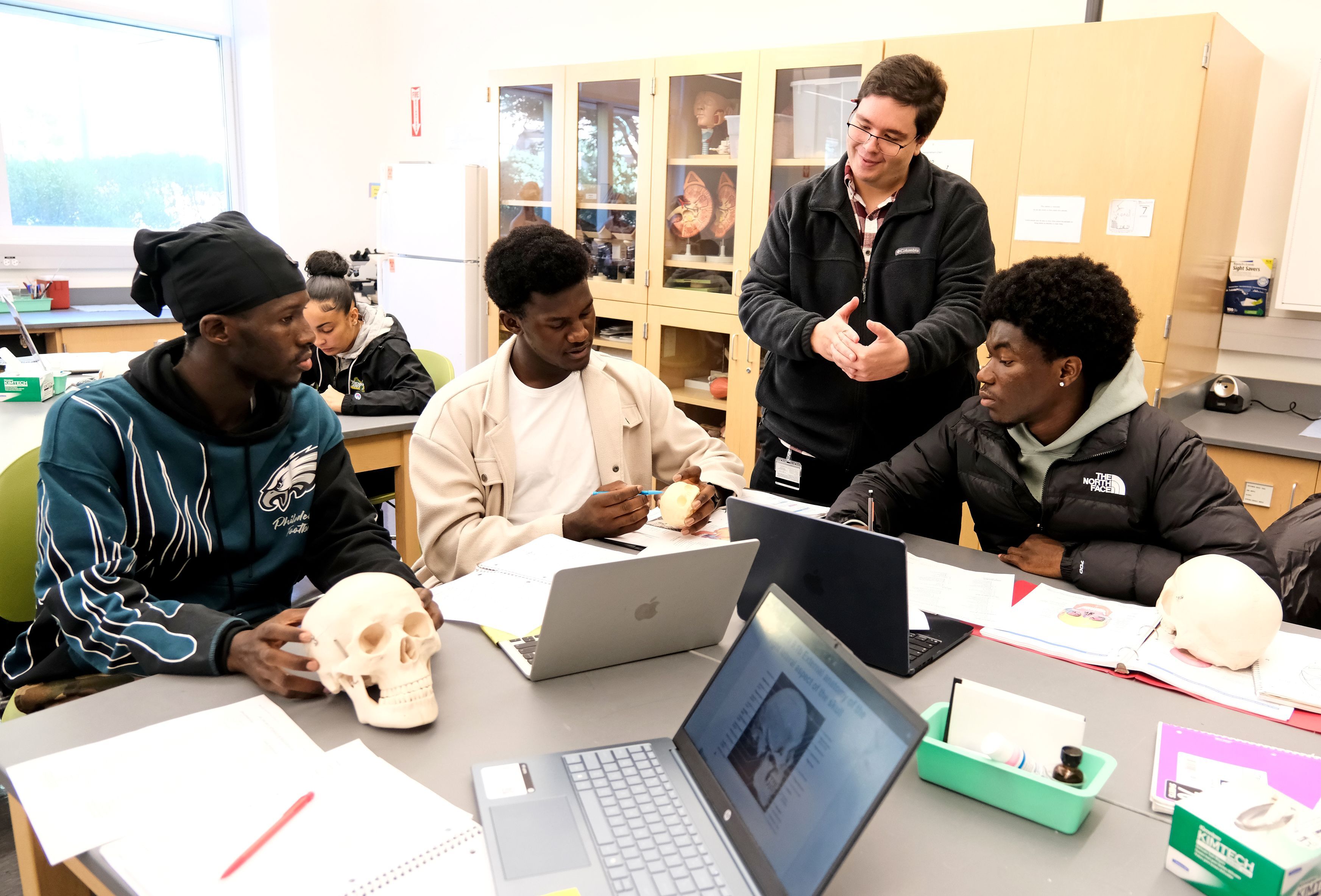
Students in Biology and Chemistry Professor John Ludlam's Anatomy II lab review heart anatomy in the Antonucci Science Complex.
Topics: Health and Natural Sciences
Our second year Nursing students learn how to administer nourishment to patients who cannot eat by mouth in their Nursing Foundations Lab. In this course, emphasis is placed on professionalism, caring, communication, cultural considerations, spirituality, sexuality and health promoting activities.
Students in Exercise and Sports Science Professor Monica Maldari's Exercise Testing and Prescription course lab work on a submaximal heart rate experiment at the Exercise and Sports Science Lab. Submaximal heart rate refers to any heart rate achieved during exercise that is below an individual's maximum capacity, typically ranging from 50% to 85–90% of maximum heart rate (HRmax). It is used to assess cardiovascular fitness and monitor training intensity without the physical strain of maximal exertion.
Topics: Health and Natural Sciences, Exercise and Sports Science
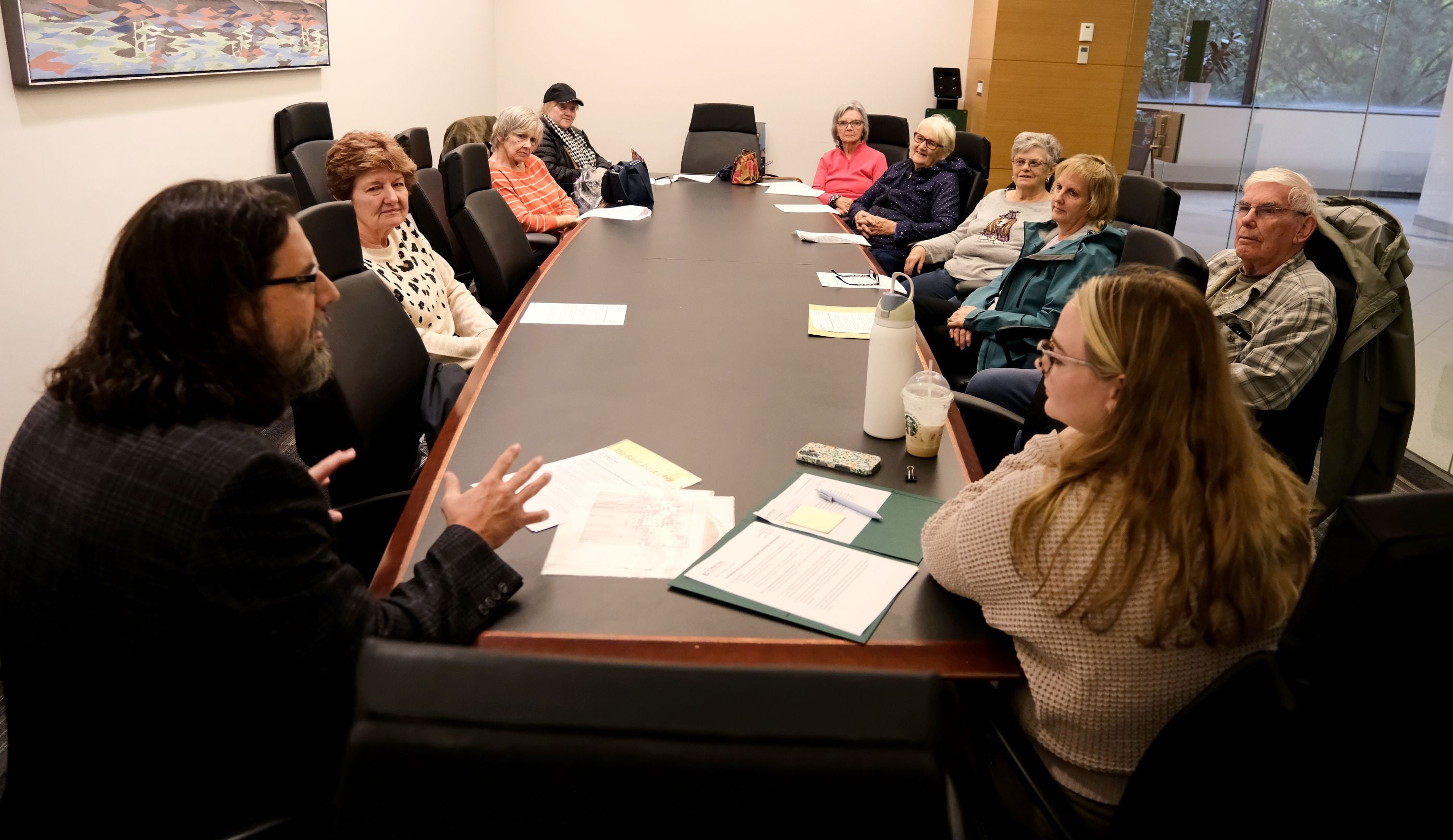
Psychological Science Professor Thomas Schilling teaches his Adult Learning in the Fitchburg Area (ALFA) course A History of the Modern Mind in the McKay Campus School. In this course, students will attempt to answer the question that the brain and mind are inextricably linked by studying how major thinkers from antiquity (ancient Greek philosophers) to Renaissance and Enlightenment thinkers (Descartes, Hume, Kant), to our modern scientific era (cognitive science) have attempted to answer this question. Our survey will help to reveal the enormity of the mind and its infinite capacity for meaning making.
Topics: Health and Natural Sciences, Behavioral Sciences, Psychological Science Program, Adult Learning in the Fitchburg Area (ALFA)
Our third-year Nursing students got their first simulation experience today in the Nursing Simulation Laboratory. After going over the scenario and treatment, teams entered the room where Nursing Simulation Lab Director Ian Murray reprised the role of James Irons, a recovering alcoholic who may have relapsed and ended up in the hospital. James is complaining of itching from bed bugs, and seeing a squirrel in the room. Best line when asked about the squirrel only he could see; "I don't like squirrels, they're dirty and carry diseases, it makes no sense that you would keep one in here."
Earth and Geographic Sciences Professor Jane Huang and Teaching Assistant Kole Broderick were on hand to help students in her Geographic Information System (GIS) for Criminal Justice classes first lab. The course introduces students to the theory and application of crime mapping and analysis in a GIS (Geographic Information System) environment. Students will learn the criminological theories that supports crime analysis and place-based policing. Students will also learn the basic skills of using GIS to create crime maps and to analyze crime patterns.